


When people struggle to sleep, they usually concentrate on what happens immediately before bedtime. They may avoid caffeine, turn off the television, change their mattress or try to make the bedroom quieter.
Those measures can be helpful, but new research suggests that an important part of healthy sleep begins much earlier: the amount and regularity of light received during the day.
Researchers from the University of Manchester found that adults who received brighter, more consistent daytime light generally went to sleep earlier, awakened earlier and experienced more deep sleep during the first portion of the night. The findings were published in the scientific journal npj Biological Timing and Sleep. You can read the complete study here: Light Exposure and Sleep Architecture in Real-World Settings.
The study included 89 adults in the United Kingdom. Participants simultaneously wore personal light sensors and consumer-grade sleep trackers for seven days and completed daily sleep diaries.
Altogether, the researchers collected more than 500 person-days of light and sleep information. Light exposure was evaluated using a measurement called melanopic equivalent daylight illuminance, which estimates how strongly light stimulates the eye’s circadian light-sensing system.
The researchers found that:
The University of Manchester’s summary of the findings emphasizes that both brightness and regularity appeared important.
Light does more than allow us to see. Specialized light-sensitive cells in the retina communicate with the brain’s central circadian clock.
This internal clock helps coordinate:
Bright light during the morning and daytime tells the nervous system that it is time to be awake and active. As daylight decreases and the environment becomes darker, the body receives a contrasting signal that nighttime is approaching.
The body therefore benefits from a clearly defined rhythm:
Bright days, dim evenings and dark nights.
Modern indoor living can reverse that natural pattern. A person may spend most of the day in a relatively dim office and then receive strong artificial light from overhead fixtures, televisions, phones and computer screens late in the evening.
Morning light generally helps anchor the beginning of the biological day. Regular early-day light exposure can support a more consistent circadian rhythm and may help evening sleepiness occur at a more appropriate time.
The new study did not establish a universal number of minutes that everyone must spend outside. Its main finding was that people receiving brighter and more consistent daytime light had more favorable sleep patterns.
Outdoor daylight is often substantially brighter than ordinary indoor lighting, even when the sky is cloudy. A person does not necessarily need to stare toward the sun. Simply being outdoors and allowing normal ambient daylight to reach the eyes can provide a much stronger circadian signal than remaining inside a dim room.
Directly looking at the sun should be avoided.
Light received later in the day can have a different effect from morning light. Depending on its intensity, duration and timing, bright evening light may increase alertness and interfere with the normal evening rise in melatonin.
A controlled study published in the same journal found that bright afternoon-to-early-evening light had acute alerting effects and reduced evening melatonin under the tested conditions. Read the research here: Afternoon-to-Early-Evening Bright Light Exposure and Melatonin.
This does not mean that every lamp or brief glance at a telephone will inevitably cause insomnia. The effect depends on several factors, including:
Nevertheless, reducing unnecessarily bright light during the last one or two hours before bedtime may help reinforce the transition from daytime alertness to nighttime rest.
Open the curtains or blinds and obtain outdoor light as early as practical. A short walk, sitting on a porch or completing an outdoor task can combine daylight exposure with gentle physical activity.
Avoid spending the entire morning in a dim room when brighter light is available. Work near a window where practical, although outdoor light generally produces a stronger signal than light filtered through a building.
Take periodic outdoor breaks. The goal is not excessive sun exposure but a healthy distinction between the brightness of the day and the relative darkness of the evening.
Reduce unnecessarily bright overhead lighting. Use sufficient light for safety and reading, but consider gradually dimming the environment as bedtime approaches.
Keep the bedroom as dark as reasonably possible. Light from televisions, hallway fixtures, illuminated clocks and other devices can weaken the normal nighttime signal.
Try to awaken at approximately the same time each day. Large differences between weekday and weekend schedules can create a form of “social jet lag” and make sleep timing less predictable.
The results are encouraging, but the study should not be presented as proof that increased daylight will cure a sleep disorder.
This was an observational study, meaning researchers measured naturally occurring light exposure and sleep rather than randomly assigning participants to controlled light treatments. It can therefore identify associations but cannot establish with certainty that brighter light directly caused the sleep differences.
Additional limitations included:
It is possible, for example, that people who spent more time outside were also more physically active. That activity could have contributed to some of the observed sleep benefits.
A responsible conclusion is therefore:
Brighter and more consistent daytime light was associated with earlier sleep timing and stronger early-night deep sleep, but controlled trials are needed to determine how much improvement is directly caused by changing light exposure.
Attention to daily light patterns may be especially worthwhile for people who:
Daytime light management may also complement nutritional support, regular exercise, stress reduction and improvements to the bedroom environment.
Daylight exposure may strengthen circadian timing, but it will not correct every cause of disturbed sleep.
Persistent sleep difficulty may also involve:
People who regularly awaken gasping, snore heavily, experience marked daytime sleepiness or remain unable to sleep despite improving their routine should receive an appropriate evaluation.
Sleep is not controlled only by what happens at bedtime. The brain continually uses environmental light to determine whether it should prepare the body for wakefulness or sleep.
A healthier daily pattern may be summarized simply:
Seek brighter, more consistent light during the morning and daytime. Reduce excessive brightness in the evening. Sleep in darkness and maintain a regular wake time.
This approach is inexpensive, natural and compatible with other measures intended to improve sleep quality. The recent study does not prove that daylight alone will transform sleep, but it provides meaningful evidence that the quality of the night may be influenced by the brightness of the day.


July 07, 2026
Rates of chronic disease, obesity, stress, poor sleep, and metabolic problems continue to rise. While modern medicine has made many life-saving advances, many people have lost simple daily habits that once supported health naturally.
Earlier generations often walked more, spent more time outdoors, ate more whole foods, did more physical work, went to bed earlier, shared meals, and had regular times of fasting or food restraint. These habits helped support movement, sleep rhythm, digestion, social connection, and metabolic balance.
Here are eight forgotten habits worth bringing back.
Walking used to be part of everyday life. Today, many people sit in cars, sit at desks, and sit in front of screens for long hours.
Walking helps support circulation, weight control, blood sugar balance, joint motion, mood, and cardiovascular health. Even brisk walking for 30 minutes a day, five days per week, can make a meaningful difference.
Morning sunlight helps regulate the body’s circadian rhythm — the internal clock that influences sleep, hormones, mood, metabolism, and energy.
Getting light early in the day may help the body know when to be awake and when to prepare for sleep later that night. Sunlight also helps the body make vitamin D, an important nutrient for immune, bone, muscle, and metabolic health.
Time outdoors is associated with better mood, lower stress, more movement, and improved overall well-being. Nature exposure may also help reduce mental fatigue and encourage healthier activity.
The body was not designed to live under artificial light all day. Fresh air, natural light, trees, walking paths, gardening, and outdoor work can all help restore a healthier rhythm.
Late nights often lead to worse food choices, more snacking, poor blood sugar regulation, and inadequate recovery. Many adults need seven to nine hours of sleep, while older adults usually need seven to eight.
Going to bed earlier may help support weight control, hormone balance, cardiovascular health, immune function, mood, and healing.
Americans now get a large portion of their calories from ultraprocessed foods. These foods are often high in sugar, refined oils, additives, and empty calories.
A better approach is to return to real food: vegetables, fruit, quality protein, healthy fats, legumes, nuts, seeds, and foods prepared at home. Seasonal and minimally processed foods provide nutrients the body can actually use.
Housework, yard work, gardening, cleaning, carrying, lifting, and repairing are all forms of movement. These tasks help maintain strength, balance, coordination, mobility, and independence.
This is especially important as people age. The body weakens when it is not used. Regular daily movement helps preserve function.
Eating together used to be a normal part of family and community life. Today, many people eat alone, rushed, distracted, or in front of screens.
Shared meals support social connection, gratitude, slower eating, better digestion, and emotional health. Strong social connection has been linked with better mood, less loneliness, and better long-term health.
Many cultures and religious traditions included regular fasting. Modern research suggests that intermittent fasting or simply limiting constant snacking may support weight control, blood sugar balance, insulin sensitivity, and metabolic health.
Fasting is not for everyone, especially children, pregnant women, people with eating disorders, frail individuals, or those on certain medications. But for many adults, learning not to eat constantly can be a powerful health habit.
Helpful foundational supports may include:
You might not need all of these. Dr. Keefe can help narrow down what you actually need with an exam.
For supplement ordering through Fullscript:
https://us.fullscript.com/welcome/keefeclinic/signup
Not every old habit was healthier, but many were. Walking, sunlight, outdoor time, earlier sleep, whole foods, useful physical work, community meals, and regular fasting are simple practices that may help fight stress, obesity, and chronic disease.
Modern life has made many people more comfortable but less healthy. Sometimes the best health advice is not new — it is forgotten.
Keefe Clinic
5016 S. 79th E. Avenue
51st & Memorial, Fontana Center
Tulsa, Oklahoma 74145
Phone: 918-663-1111
Fax: 918-663-2129
Email: docjohn@keefeclinic.com
Please call to schedule an appointment.Edit

June 29, 2026
We are living in an age where almost everything gets turned into an optimization project. People talk about sleepmaxxing, looksmaxxing, biohacking, performance tracking, longevity routines, red-light therapy, fasting, cold plunges, peptide use, hormone manipulation, supplements, wearable devices, and biological-age testing.
The newer term “humanmaxxing” generally means trying to maximize the body’s performance, appearance, energy, health, and longevity.
Some of this is reasonable. Some of it is common sense. Some of it can be useful.
But some of it is risky.
The question is not, “Should we try to improve health?” Of course we should.
The better question is, “Are we improving health in a way that is safe, individualized, and based on good evidence?”
There are several habits that really can support a longer, healthier life. These are not fads. They are basic physiology.
These include:
These may not sound as exciting as a multimillion-dollar longevity program, but they are often where the biggest improvements begin.
The concerning side of humanmaxxing is when people start experimenting with powerful substances or treatments without proper evaluation.
This can include:
Just because something is popular online does not mean it is safe.
Health institutions have warned that many anti-aging interventions still lack strong evidence that they safely extend human lifespan. Much of the exciting research is still in animals, laboratories, or early-stage human studies.
Hormones can be helpful when there is a true deficiency and the patient is properly monitored. But using hormones simply to “optimize” can backfire.
Testosterone, growth hormone, thyroid hormone, adrenal hormones, and other endocrine therapies affect the whole body.
They can influence:
This does not mean hormone therapy is always wrong. It means it should be based on examination, proper lab work, symptoms, history, risk factors, and follow-up.
The body is a system. Pushing one hormone pathway can disturb another.
Wearables and lab testing can be useful. Tracking sleep, heart rate variability, glucose, exercise, and blood markers may help people see patterns.
But more data can also create anxiety.
A person can become so focused on the numbers that he stops listening to the body.
Good testing should answer practical questions:
Numbers should serve the patient. The patient should not become a servant to the numbers.
Before chasing expensive anti-aging procedures, most people should start with the basics.
Go to bed on time. Keep a regular schedule. Reduce blue light at night. Get morning light.
Older adults especially need enough protein to maintain muscle, immune function, and repair.
Muscle is one of the best predictors of healthy aging. Resistance exercise matters.
Walking improves circulation, lymph flow, blood sugar, mood, and joint function.
Many people are chronically underhydrated. Water affects energy, digestion, kidneys, joints, and detoxification.
Blood sugar swings can affect energy, inflammation, weight, hormone balance, and brain function.
Chronic stress keeps the body in repair debt. Breathing, prayer, rest, posture, and vagal tone all matter.
You are not only what you eat. You are what you digest, absorb, and eliminate.
Food sensitivities, poor sleep, infections, toxins, injuries, and stress can all increase inflammatory load.
People need meaning. Purpose, faith, family, service, and hope are not small things. They affect physiology.
A practical nutrition plan for healthy aging may include:
Good food is still one of the most reliable “biohacks.”
Depending on the person, useful support may include:
You might not need all of these. Dr. Keefe can help narrow down what you actually need with an exam.
You can order professional quality supplements here:
https://us.fullscript.com/welcome/jkeefe-dc
At Keefe Clinic, the goal is not extreme self-experimentation. The goal is better function.
That may involve looking at posture, spinal stress, nerve function, digestion, inflammation, nutrition, hydration, allergies, sleep, stress, and lifestyle patterns.
Sometimes the most powerful “optimization” is not exotic at all.
It may be helping the body breathe better, digest better, sleep better, move better, and recover better.
Health is not just living longer. It is living stronger, clearer, steadier, and more useful.
Humanmaxxing may be a new word, but the best parts of it are old truths: eat well, move your body, sleep, hydrate, build strength, reduce toxic stress, support the nervous system, and give the body what it needs to repair.
Extreme interventions may make headlines, but steady correction of the basics often changes lives.
The goal is not to become obsessed with living forever.
The goal is to steward the body God gave you with wisdom.
Keefe Clinic
51st & Memorial in the Fontana Center
Tulsa, Oklahoma
Phone scheduling only.
Email: docjohn@keefeclinic.com
Keefe Clinic offers chiropractic care, acupuncture, electrotherapy, nutritional therapy, pulsed magnetic therapy, trigger point work, light/sound/music therapy, oral antigens, modified TENS, HRV testing, and Foot Levelers orthotics.

CLICK TO ORDER
Winter time humidity is a big issue. As the weather turns colder and the heaters start working 24/7 then the indoor air will start drying out.
Studies have shown that dry air has four main effects on the human body:

CLICK PIC

CLICK PIC
As your body fights the dry air you start to use up your vitamin A stores. This enhances the dry skin and sinus problems as well as weakens your immune system. It is important that you have a humidity gauge in each bedroom and a cool mist humidifier to combat the dry air. I recommend the ultrasonic humidifiers as they put the most water in the air.

Dry skin, Chapped lips, Clogged sinuses, Itchy skin, Dry throat coughs, Cracked nasal membranes, Increased risk of bacteria infection, Aggravated asthma & allergy symptoms
You may also notice these changes around your home:

CLICK PIC
Drier air causes sinuses to dry and crack, making people more susceptible to winter colds and flu viruses. In fact, this change from higher outside relative humidity to lower indoor relative humidity in the winter is a significant contributing factor in the spread of colds and flus. By maintaining the proper level of humidity indoors, you reduce illness in the winter. Studies have shown that the body's immune system will function better when the relative humidity in a home is between 45%-65%.

CLICK PIC
Pneumococcus, staphylococcus, and streptococcus bacteria die up to 20 times faster at a relative humidity between 45% and 55%, than above 70% or below 20%. Dehydration can also cause negative health effects. Symptoms of dehydration include dry skin, chronic joint and muscle pain, raspy throat, sinus and nasal pain, sore eyes, a lack of mental concentration, and a decrease in the body's immune system.
| The most comfortable relative humidity for the human body | 45-65%RH |
| Ideal relative humidity for prophylactic and curative purposes | 40-50%RH |
| Computer and telecom apparatuses | 45-65%RH |
| Furniture and musical instruments | 40-60%RH |
| Libraries (books), art galleries and museums | 40-60%RH |

CLICK TO ORDER
Dry air can cause or irritate sinus problems, but inhaling moisture can help. Simply breathing the steam from a hot shower will ease congestion.

CLICK TO ORDER
You can also enhance the steam you breathe with sinus-clearing essential oils. Once or twice a day, add five drops of eucalyptus (Eucalyptus globulus), lavender (Lavandula angustifolia), or sandalwood (Santalum album) essential oils (or a combination) to a large bowl of steaming-hot water, suggests Sylvia Goldfarb, Ph.D., of Wyncote, Pa., author of Allergy Relief (Avery Penguin Putnam, 2000). Drape a towel over your head and the bowl, and breathe deeply for 10 minutes. You'll feel relief within that time.

CLICK TO ORDER
To treat acute sinusitis, substitute tea tree oil (Melaleuca alternifolia) and repeat the sinus steam three to four times daily. Tea tree oil's powerful antibacterial properties fight the bacteria that cause many infections," says Karen Barnes, N.D., a naturopath in Burlington, Ontario, and author of Naturopathic First Aid (Quarry Press, 2001). Your symptoms should clear up within a few days.
Rinsing your sinuses with saltwater helps them drain mucus. Studies show that this significantly reduced symptoms like pain and inflammation in more than 2/3 of sinusitis sufferers. Heatley says recommending nasal irrigation to her patients cut the number of sinus surgeries she performed in half.

CLICK TO ORDER
To rinse your sinuses, use a neti pot, a small teapot-like device sold at most natural food stores. Combine three parts non-iodized salt and one part baking soda, and add 1/2 teaspoon of this mixture to 1/2 cup of warm water in the pot. This solution matches your body's salinity, and baking soda makes it less irritating to your sinuses.
Lean over a sink and insert the spout of the pot into your left nostril. Tilt your head and the pot to the right and let the solution flow out your right nostril. Exhale forcefully through both nostrils and repeat on the other side. Repeat as needed.

CLICK TO ORDER
The zing of certain spices opens clogged sinuses and promotes drainage. As condiments, use hot salsas or chutneys that contain chiles, or sprinkle cayenne pepper on your food, recommends Goldfarb or use wasabi.


CLICK PIC
Car accidents are most likely the number one cause for chronic disability and/or pain. The August 1999 issue of American Family Physicians, the article notes that 3.5 million people are injured in motor vehicle accidents in the U.S. each year. Even minor car accidents can cause changes in the spine that can lead to degenerating joint disease and future pain. Studies indicate that chiropractic care is the best treatment for the vast majority of injuries from a car accident. The main reason that chiropractic patients have less problems in the future and recover better from their present complaints is because of the focus in chiropractic care.

CLICK PIC
The injuries to the spine will cause slight misalignments in the joints of the neck and back. It's these misalignments that produce the majority of symptoms, not pulled muscles. Chiropractic care and analysis focuses on the detection and correction of spinal subluxations. Subluxation is the term for misalignments that develop in the spine. These misalignments can stay there for years unless they are corrected by chiropractic adjustments. The average patient after a car accident that visit an emergency room usually are only given pain pills and muscle relaxers. This of course allows the misalignments to remain. It's this focus on just the symptoms of the injury that leave a high percent of car accident victims with ongoing disability, pain and degenerating joint disease.

CLICK PIC
One study showed problems five or more years after the accident. Symptomatic recovery occurred in 57 per cent of the 146 patients, while degenerative changes developed after the injury in 39 per cent. Journal of Bone and Joint Surgery, 1974;56:1675-1682.

CLICK PIC
......several studies have investigated and linked the relationship of altered cervical curve configuration to the presence of chronic headache pain. CBP Structural Rehabilitaion of the Cervical Spine, Deed E. Harrision, DC, Donald D. Harrison, PhD, DC, MSE, Jason W. Haas, DC, 2002 Harrison CBP Seminars, Inc. pg. 56, "Cervical Lordosis and Headaches"

CLICK PIC
Cerebral symptoms after whiplash injury of the neck: a prospective clinical and neuropsychological study of whiplash injury. Ettlin TM, Kischka U, Reichmann S, Radii EW, Heim S, Wengen D, Benson DF. University Clinics, Basel, Switzerland.

CLICK PIC
Twenty one unselected patients with an acute whiplash injury of the neck had neurological and neuropsychological assessment, cervical x rays, EEG, BAEP, MRI, and an otoneurological examination within two weeks of the injury. Subjectively, 13 patients reported concentration deficits, 18 reported sleep disturbances, 9 had symptoms of depression, and 7 female patients told of menstrual irregularities. Scientific Automobile Accident Reconstruction treatise by Barzeley; Published by Mathew Bender 1984; Chapter 46:
" The simple fact remains: neck injuries do occur as a result of rear-end automobile accidents. 46-2
" Whiplash injuries may be present as a result of automobile accidents, even though no physical, radiological or other objective evidence of injury can be found. 46-3
" Usually the onset of symptoms occurs from 12 to 24 hours afterward. Sometimes there may be as much as weeks or even months delay between the automobile accident and the experience of symptoms. 46-5
" Most people just don't expect injuries to occur when the impact velocity has been low and damage to the vehicles has not been great. It is common sense to expect that the severity of the injuries should be in proportion to the severity of the collision. However, whiplash injuries most frequently result from relatively minor automobile accidents without major damage done to the vehicles. 46-6
" Rear-end collisions produce a sudden forceful hyperextension of the neck which is immediately followed by recoil into neck flexion. 46-8
" Probably most of the injuries result from the sudden traumatic snapping of the neck when the acceleration of the head suddenly shifts directions. 46-10

CLICK PIC
In most cases you're better off in the long-term to break a bone than to damage a joint. When you damage a joint, you primarily damage the connective tissue in the joint which can leave that joint unstable for the rest of your life. When you break a bone, the bone heals stronger than it was before. Connective tissue has a history of poor healing. By bringing that joint back to its proper alignment, you allow the maximum healing to the soft tissue or connective tissue in that joint. And by maintaining that alignment over the long-term, you assure maximum results. Out of 50 or so outcome studies which have been published in the past 40 years. They nearly unanimously presented 30 to 50 percent of whiplash victims are left with some form of residual pain or dysfunction.
Our treatment goals are not only to make you feel better now, but to try to assure that 10 years from now your injuries will not be bothering you.

CLICK PIC

CLICK PIC
Courtesy of:
John H. Keefe III, D.C.
(918) 663-1111

IN THE NEWS: CDC warns parents not to give children antibiotics to treat the common cold, flu "Antibiotics are not effective against viral infections like the common cold, flu, most sore throats, bronchitis, and many sinus and ear infections," read a recent CDC advisory on Facebook. "Taking antibiotics can also have harmful side effects for you or your child." While parents might be tempted to seek out antibiotics during this year's supposedly more severe than usual flu season, taking the bacteria-killing medication will not cure the infection, stop others from catching it, nor make flu victims feel better. In fact, needlessly taking antibiotics will kill healthy bacteria and may lead to harmful side effects that could send a child to the hospital. According to the CDC, antibiotics are the most common cause of emergency hospital visits for children experiencing negative reactions to drugs. In addition, needlessly using antibiotics can make the body more resistant to the medication, making it harder to treat an infection. In total, the CDC estimates that 30 percent of all antibiotics prescribed to patients seeking medical treatment without hospital admission are unnecessary.


WELLNESS: Empathy: Caring for Others Is Good for You Empathy, the ability to put yourself in someone else’s shoes, so to speak, and understand their feelings and point of view, is a character trait that may benefit society and individuals in multiple ways. Empathy training has been found to reduce stress levels among medical students facing intense emotional encounters with patients, for example. While many parents try to instill empathetic qualities in their children, there’s growing research that empathy has deep neurological roots in humans. Empathy has complex neurological underpinnings that control the way our brains help us to care about other people. Humans have “mirror neurons” that react to others’ emotions and reproduce them; a deficit in mirror neuron receptors has been suggested as an explanation for narcissism and neurotic behaviors. Researchers found that empathy was positively associated with treatment adherence, patient satisfaction and reduced dental anxiety, sentiments that seem to be echoed among medical practitioners. Among adolescents, empathy may even go hand in hand with future success, according to licensed professional counselor Ugo Uche: “Teenagers who are empathetic tend to be more purpose driven and they intentionally succeed in their academics not because they are looking to make good grades, but in most subjects their goal is to understand the subject material and to utilize the knowledge as one of their ever-increasing tools …Teenagers who are more empathetic do a much better job in embracing failure, because there is little ego involved in their tasks, and setbacks while disappointing are rarely seen as failures, but rather as a learning experience about an approach that does not work for the task at hand.” Practicing empathy may help you relieve stress, strengthen your relationships and have a more satisfying work life.

FUNNY BONE: The last time we changed from daylight saving time, a preacher friend posted, “For those who habitually show up 15 minutes late to church, allow me to remind you that tonight is the night you set your clock back 45 minutes.”@@ Q: What starts with E, ends with E, and has only 1 letter in it? A: Envelope. @@ After an elderly couple starts getting forgetful, they visit their doctor. Their doctor tells them that many people find it useful to write themselves little notes. When they get home, the wife says, "Dear, will you please go to the kitchen and get me a dish of ice cream? And maybe write that down so you won't forget? “Nonsense," says the husband. "I can remember a dish of ice cream. “Well, I'd also like some strawberries and whipped cream on it," the wife replies. "My memory's not all that bad," says the husband. "No problem -- a dish of ice cream with strawberries and whipped cream. I don't need to write it down." He goes into the kitchen, and his wife hears pots and pans banging. The husband finally emerges from the kitchen and presents his wife with a plate of bacon and eggs. She looks at the plate and asks, "Hey, where's the toast I asked for?"
Visit our web sites: keefeclinic.com & facebook.com/keefeclinic
Courtesy of:
John H. Keefe III, D.C.
(918) 663-1111
IN THE NEWS: Help Preserve Your Eyesight With B Vitamins A study published in the July 2013 issue of the American Journal of Clinical Nutrition adds to the evidence suggesting certain B vitamins may be important in the prevention of age-related macular degeneration (AMD), which is the leading cause of vision loss in people over 55 years of age in the U.S. and Canada. Previous studies have shown that taking certain antioxidant vitamins and minerals as supplements (vitamin E, vitamin C, beta-carotene, selenium and zinc), at specific dosages, can slow the progression of AMD. What the Latest Study Says In the latest study, known as the Blue Mountain Eye Study, serum folate (B-vitamin folic acid), vitamin B12 and homocysteine status were determined from blood samples drawn in 1997-1999 from cohort members ages 55 and older. AMD was assessed in 1,760 survivors from retinal photographs taken in 2002-2004 and 2007-2009. Results showed that higher blood levels of homocysteine were associated with a significant increased risk of developing AMD, whereas higher levels of vitamin B12 were strongly associated with decreased risk of developing AMD. Homocysteine is a toxic end-product of metabolism known to damage blood vessels and increase the risk of cardiovascular disease. How You Can Prevent AMD It is thought that AMD is a highly preventable disease, thus requiring attention to various lifestyle behaviors. Extrapolating from what we know from experimental, observational and clinical studies, the following practices appear to be the best proactive strategies to prevent the development of AMD:Don't smoke-Protect your eyes from UV light-Prevent the onset of type 2 diabetes by maintaining your ideal weight, performing endurance and strength-training exercises regularly, and keeping your blood sugar levels within an ideal range (talk to your doctor to for more info)-Eat a diet rich in brightly colored vegetables and fruit (dark green, yellow, orange, blue, purple, red).-Take dosages of antioxidants and B vitamins:Vitamin C: 1,000 mg-Vitamin E: 400 IU-Selenium: 200 mcg-Zinc: Vit A 25,000 IU -Lutein powder: 6 mg-B-50 complex, including 400 mcg folic acid, 50 mcg vitamin B12 and 50 mg vitamin B6(which also lowers homocysteine) If you're already suffering from advanced macular degeneration, higher dosages of certain vitamins, minerals and phytonutrients are required to slow the progression of the disease.

WELLNESS: Poor Sleep Is Bad for Your Waistline If you think you're getting a good night's sleep on a regular basis, you're either fooling yourself or in an extremely small minority. That's because increasingly, people are tossing and turning, waking up repeatedly, going to bed late and waking up early, or just plain waking up feeling tired, unrefreshed and unready to take on the next day because of a poor night's sleep. There are short- and long-term consequences of poor sleep, ranging from irritability and concentration lapses (short term) to cardiovascular disease (long term), but your weight and waistline also may suffer, according to research published in PLoS One, the peer-reviewed journal of the Public Library of Science. In a recent study, adults were divided into three groups based on their average sleep duration: Less than six hours nightly (5.88 hours), more than seven hours (7.26 hours), and more than eight hours (8.44 hours). If you got the most average sleep per night, your body-mass index (BMI) was about two points lower than if you got the least average sleep per night. Getting the most sleep, compared to the least, also corresponded with 1.6 inch smaller waistline, on average, compared to getting the least sleep. NOTE: We have several natural products that can help your sleep. Ask about it on your next visit. Also visit Keefeclinic.com and type sleep in the search bar.

CHIROPRACTIC: Knee Osteoarthritis: Steroid Injections Aren't the Answer Knee osteoarthritis can be painful and limit your activities, but corticosteroid injections aren't the answer, according to new research published in the May 16, 2017 issue of the Journal of the American Medical Association. In the study, quarterly steroid injections actually increased cartilage loss over a two-year period without providing any benefit. That's a loss-loss situation if you ask us. Patients suffering from knee osteoarthritis with synovitis were divided into two groups, with one group receiving the corticosteroid injections every 12 weeks for two years and a second group receiving a placebo (saline injections) at the same frequency and over the same time frame. Patients in the steroid group lost an average of 0.21 mm in cartilage thickness over the two-year period compared with only 0.10 mm, on average, in patients not receiving corticosteroids. What's more, patients receiving steroid injections scored only 1.2 points lower on a 0-20 pain scale (0 = no pain, 20 = extreme pain), while patients not receiving steroid treatment scored 1.9 points lower following the intervention period. In other words, patients who received no steroids reported less pain at three-month follow-ups than patients who received steroids! Osteoarthritis is the most common form of arthritis in the world, which makes finding effective treatment options paramount. Unfortunately (and as we've said repeatedly with other scenarios), drugs - in this case, injections - may not be the answer. If you suffer from osteoarthritis, talk to your doctor about nondrug alternatives to manage your pain and reduce other symptoms. NOTE: Steps to prevent and correct knee problems: arch supports, anti-inflammatory diet including fish oils, supplements that build Cartledge, keeping your knees in proper alignment.

FUNNY BONE: When I went to the ER to have a painful ingrown toenail removed, I was sobbing, gagging, petrified … the works. But my doctor knew how to calm me down. “Don’t worry about a thing,” he assured me. “I just looked up how to perform this operation on YouTube.”@@ Had a woman who was in active labor, despite insisting she couldn't be pregnant. She said her last period was "like ten months ago" so she'd gone through menopause. She was 25.@@ While in dental school my friend pulled out several bombed out (technical term) teeth on a adult male. After the procedure was finished and post-op instructions we given, the man asked, "So when should I expect my new teeth to grow in?" He was serious.@@ I gave my patient the results of her sleep study: “It looks like you stopped breathing in your sleep over 65 times per hour.” Her response: “Did I start back?”@@ Call it … carma! A car belonging to a pregnant patient was broken into. The only thing that was stolen was a wine bottle in a brown paper bag. It turns out, that’s where she was keeping her urine sample, which she’d brought in to be tested Visit our web sites: keefeclinic.com & facebook.com/keefeclinic
Courtesy of:
John H. Keefe III, D.C.
(918) 663-1111
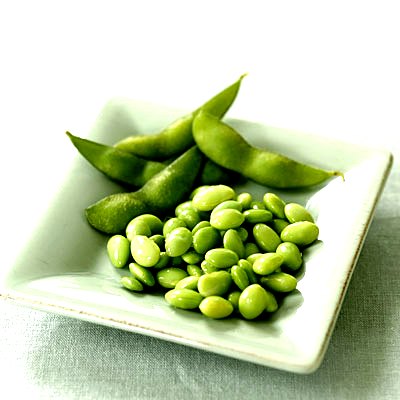
IN THE NEWS: What are the best foods to fight aging? EDAMAME, or fresh soybeans, have been a staple of Asian cuisine for generations, the beans are rich in isoflavones, a type of phytoestrogen – that is. plant-derived, estrogen-like substances. Isoflavones are known to have anti-inflammatory, antioxidant, anti-cancer, and antimicrobial properties. CARROTS This common culinary ingredient, best known in its orange variety, is famously recommended for its high content of beta-carotene, a pigment — and carotenoid — that gives the widespread version of this root vegetable its color.Beta-carotene can be converted by our bodies into vitamin A, which, according to the National Institutes of Health (NIH), "is involved in immune function, vision, reproduction, and cellular communication." Our bodies cannot produce vitamin A on their own, so it must be derived from our diet. moreover, research has shown that foods rich in carotenoids — and, of course, carrots are a prime example here — can protect against age-related macular degeneration, the vision damage caused by old age. CRUCIFEROUS VEGETABLES Another important type of food on our list are cruciferous vegetables — also known as "Brassica vegetables" — which include a wide array of green foods, such as cabbage, broccoli, Brussels sprouts, cauliflower, bok choy, radish, and kale. These vegetables boast an especially rich nutrient content, including many vitamins (C, E, K, and folate), minerals (potassium, calcium, and selenium), and carotenoids (lutein, beta-carotene, and zeaxanthin). Cruciferous vegetables also contain glucosinolates, some glucosinolates seem to regulate the body's stress and inflammation response; they have antimicrobial properties, and some of them are being investigated for their anti-cancer potential.

WELLNESS: Reducing stress naturally Stress can be a factor in the breakdown of the body and the development of certain disease processes. Stress has different factors emotional, chemical, structural/neurological and physical. One of the benefits of chiropractic adjustments is that patients report caring less stress in their body. This can have a ramification on the quality of sleep and how well a person handles other life stresses. One type of emotional stress is replaying certain traumas in a subconscious way. This can show up as avoiding certain activities like driving, meeting new people or new experiences. The Emotional Freedom Technique is a tool we use to help eliminate the subconscious stressors. It allows the body to release these programs that are being replayed at the subconscious level thus allowing people to overcome phobias and other things that produce stress. Just improving diet and detoxing the body can improve stress handling considerably. If you feel like stress is taking over we can help. Talk to us today about any issues you feel are affecting your health.

CONDITION OF THE WEEK: Why Americans Love Chiropractic Findings from the most recent National Health Interview Survey providing data on the use of chiropractic and other complementary health care approaches by U.S. adults reveals why Americans utilize chiropractic and what they value most. The survey provides data on lifetime (54.6 million; 24%) and 12-month (19.1 million; 8.4%) use of chiropractic services and various sociodemographic characteristics. But the most intriguing data illuminates the primary reasons for visiting a doctor of chiropractic and the perceived health and wellness benefits received by chiropractic users. Why visit a chiropractor? Here's why: Reasons for Visiting a Chiropractor For general wellness / disease prevention: 43.6%-To improve energy: 16.3% -To improve athletic or sports performance: 15.4%-To improve immune function: 11.4%-To improve memory or concentration: 5.3% Benefits of Chiropractic Improves overall health or makes feel better: 66.9%-Helps to sleep better: 41.9%-Helps to reduce stress level or to relax: 40.2%-Makes it easier to cope with health problems: 38.5%-Gives a sense of control over own health: 32.5%-Helps to feel better emotionally: 27.4% Why Not Just See an Medical Doctor? Chiropractic treats the cause and not just the symptoms: 61.9%-Chiropractic is natural: 37.5%-Medical treatments do not work for specific health problem: 33.8%-Chiropractic focuses on the whole person: 24.9%-Medications cause side effects: 18.1% So, let's recap: U.S. adults visit doctors of chiropractic for a variety of health and wellness reasons (not just when they have back pain); the majority find it "very important" or "somewhat important" in maintaining their overall health and well-being, yet most all believe it is effective in helping their specific health problems; and chiropractic presents an all-natural, drug-free alternative to traditional medical care. Someone you know needs chiropractic!
FUNNY BONE: An Uber passenger tapped the driver on the shoulder to ask him a question. The driver screamed, lost control of the car, nearly hit a bus, went up on the footpath, and stopped inches from a shop window. For a second everything went quiet in the cab, then the driver said, "Look man, don't ever do that again. You scared the daylights out of me!" The passenger apologized and said, "I didn't realize that a little tap would scare you so much." The driver replied, "Sorry, it’s not really your fault. Today is my first day as an Uber driver – I've been driving a hearse for the last 25 years."@@ Walking up to a department store's fabric counter, the pretty girl said, "I would like to buy this material for my new dress. How much does it cost?" "Only one kiss per yard," replied the male clerk with a smirk on his face. "That's fine," said the girl. "I'll take ten yards." With expectation and anticipation written all over his face, the clerk quickly measured out the cloth, wrapped it up, then teasingly held it out. The girl snapped up the package, pointed to the old man behind her, and smiled, "Grandpa's gonna pay the bill."
Visit our web site: keefeclinic.com& facebook.com/keefeclinic
Courtesy of:
John H. Keefe III, D.C.
(918) 663-1111

IN THE NEWS: Wide Awake in the Electronic Age: Our Kids' Sleep Habits Are Suffering Smartphones, tablets and everything in between – chances are high that if your child's over the age of 6 (and in some cases, even younger these days), they're spending a considerable (read: unhealthy) amount of time engaged with portable electronic devices. At the same time, we're finding that kids are suffering from sleep deprivation in terms of time spent asleep and quality of sleep enjoyed. Is there a connection? Yes, say researchers who reviewed various studies on the topic – and the news is even worse than you might imagine. After reviewing 20 studies, researchers found that kids who used portable electronic devices near bedtime had more difficulty falling or staying asleep, and experienced poor daytime function because of sleepiness. Device use also contributed to lack of sleep compared to non-use: less than 10 hours per night for children and less than nine hours for teens. But here's the kicker: Even kids who didn't use the devices, but had access to them, still experienced shorter sleep times. Children with bedtime access to devices close to bedtime three or more times a week also experienced less sleep and lower quality of sleep compared to children with less or no device access. Researchers speculate that access, even without use, can exert an influence on sleep because children are thinking about different aspects of the device, such as text messaging (e.g., "Has someone responded to that message I sent earlier?").

WELLNESS: Exercise: The Key to Better Grades? For better or worse, we live in an increasingly competitive world, which means when it comes to education, grades matter – big time. While they don't necessarily reflect the learning process, effort expended or lessons learned, grades remain an important indicator of knowledge, critical thinking and other variables that translate well into adulthood. And of course, when applying for college, few application reviewers consider the straight D student, even if that student gave 100 percent in the classroom every day. With all the tutoring clubs, online support groups and other tools at students' / parents' disposal these days, it's encouraging to know a simple grade-booster exists that doesn't require money or even a great deal of extra time: exercise. Research suggests children who exercise more perform better in several academic subjects and are more attentive compared to their less-active peers. The most recent study to examine this association reviewed 26 studies involving more than 10,000 children ages 4-13. Results, published in the peer-reviewed research journal Pediatrics, showed that increased physical activity, particularly physical education, improved various aspects of academic achievement , "especially mathematics-related skills, reading, and composite scores." Students who exercised more also appeared to stay more focused on their schoolwork than students who exercised less. In the studies analyzed, researchers increased physical activity levels through expanded recess, afters-school sports or active breaks between lessons throughout the school day – which also may suggest academic performance is related to whether kids get breaks from their long days sitting in the classroom. Definitely food for thought for the education system. From a parent standpoint, teaching your kids to exercise and encouraging them to take active breaks at home, particularly while doing schoolwork or studying for quizzes / tests, could help their academic performance – and will certainly help avoid the health perils of a sedentary lifestyle. Talk to your doctor for more information.

CHIROPRACTIC: Kids and Chiropractic Care “Chiropractic care for my child? Why? His back doesn’t bother him.” How often chiropractors have encountered parents who appreciate the importance of regular checkups for their child’s teeth, hearing, eyes and ears but draw a blank when it comes to a spinal checkup. In fact, a spinal check up could be one of the most important checkups your child will ever have. Your child’s spine is his/her lifeline because running through it is the spinal cord, containing billions of nerve fibers that send messages and energy from the brain to every part of their body. If there is blockage of any of the nerves along the spinal cord, any nerve damage at all, then a state of ” dis-ease” will develop. Dis-ease means dis-harmony in the body that will cause generalized weakening of your child’s body, lowered resistance to disease, and consequent body malfunction and sickness. Blockage of nerves in the spinal column are usually caused by tiny fixations and misalignments of the spinal vertebrae that are called vertebral subluxations. Only chiropractors are trained to detect and correct subluxations, much like only a dentist finds cavities. Subluxations can be cause by the birth process, the very physical childhood activities of running and jumping, falls and accidents. Because your children (and you) may have spinal subluxations and not know it, all children need periodic spinal check ups. A recent study of 332 children showed that chronic ear infection sufferers under chiropractic care had no more infections in 80% of the cases (JCCP, Vol.2, No.2 1997). The Chiropractic Approach By releasing stress on the nervous system with very gentle and safe chiropractic adjustments, the body will work more effectively and be able to express better health. Why not include chiropractic spinal checkups for you and your children? It may be the best move for your family’s health you’ll ever make.
FUNNY BONE: With tears in his eyes, the little boy told his kindergarten teacher that only one pair of boots was left in the classroom and they weren’t his. The teacher searched and searched, but she couldn’t find any other boots. “Are you sure these boots aren’t yours?” – she asked. “I’m sure,” the little boy sobbed. “Mine had snow on them.”@@ My little sister is so smart! She’s only in nursery school and she can spell her name backwards and forwards. Really? What’s her name? Anna.@@During Show and Tell, Miss Johnson showed pictures of different birds. “George,” she said, “what kind of bird do you like best?” George thought for a while. “Fried chicken,” he replied.@@“It’s clear,” said the teacher, “that you haven’t studied your geography. What’s your excuse?” “Well–my dad says the world is changing every day. So I decided to wait a little while until it settles down.”@@ “No one likes me at school,” said the son to his mother. “The kids don’t and the teachers don’t. I want to stay home.” “You have to go, son,” insisted his mother. “You’re not sick, and you have a lot to learn. Besides, you’re 45 years old. You’are the principal and you have to go to school!”
Visit our web sites: keefeclinic.com & facebook.com/keefeclinic
Courtesy of:
John H. Keefe III, D.C.
(918) 663-1111
DIET: Can you REALLY eat yourself happy? You really are what you eat – and your brain health and mood are no exception. For example: Junk food really can affect our mental health by causing blood sugar highs and lows. This interferes with brain chemicals that affect mood. Protein is vital to make serotonin and dopamine – which are key to our mental health. There are crucial nutrients that our brain requires in tiny amounts that can really affect our mental state. They include B vitamins, iron, calcium, magnesium, chromium, zinc and selenium. When you feel tired, do you reach for a sweet snack? And when you're upset, do you find solace in chocolate, ice-cream or a bag of chips? Research confirms that you are more likely to turn to junk food when you're in a bad mood, as their high fat and sugar content activates pleasure centres in the brain, triggering the release of 'feel-good' neurotransmitters such as dopamine and serotonin. But there's a catch. Self-medicating with junk food also leads to blood sugar highs and lows that interfere with how these brain chemicals function to regulate mood. The overall effect can worsen your mental health. NOTE:Eating a variety of whole foods, real foods, supply your brain with the essential nutrients that can help produce a sense of well-being and higher moods. Eating smart is not only good for your well-being but for your families as well.
IN THE NEWS: Poor sleep linked to toxic buildup of Alzheimer’s protein, memory loss Sleep may be a missing piece in the Alzheimer’s disease puzzle. UC Berkeley scientists have found compelling evidence that poor sleep — particularly a deficit of the deep, restorative slumber needed to hit the save button on memories — is a channel through which the beta-amyloid protein believed to trigger Alzheimer’s disease attacks the brain’s long-term memory. “Our findings reveal a new pathway through which Alzheimer’s disease may cause memory decline later in life,” said UC Berkeley neuroscience professor Matthew Walker, senior author of the study published today in the journal Nature Neuroscience. A 2013 University of Rochester study found that the brain cells of mice would shrink during non-rapid-eye-movement (non-REM) sleep to make space for cerebrospinal fluids to wash out toxic metabolites such as beta-amyloid. “Sleep is helping wash away toxic proteins at night, preventing them from building up and from potentially destroying brain cells,” Walker said. “It’s providing a power cleanse for the brain.” NOTE: We have tools to help improve the quality of your sleep.

CHIROPRACTIC: Natural healthcare can help you There are many reasons for the shift in healthcare. Some people are concerned about the side effects that drugs have, (2000 deaths per week over 1 million injuries per year), some people have a sense of body ecology and don't want to put any artificial substances within their body. Some people have discovered drugs mainly cover-up symptoms and never get to the root of your problem, and are more concerned with maximizing their health than just making some symptoms disappear. I'm sure you have seen either a popular magazine or news program on TV, the benefits of different natural healthcare techniques. Chiropractic is the world's largest natural healthcare profession and specializes in finding the root cause of health problems and helping restore patients to better health through natural methods. At Keefe clinic these are the principles that we specialize in. We promise you that we will not just cover-up your symptoms and allow the underlying condition time to get worse. Chiropractic care, homeopathic care, individualized diet, acupuncture, nutritional therapy, muscle therapy and exercise, whatever it takes to move your body from disease to health, dysfunction to realizing your genetic potentials. We will customize a program to fit your particular health needs, from low back pain and headaches to digestive problems and PMS. From ear infections in babies to arthritis or heart disease and the geriatric patient, we offer the latest and natural healthcare. For more information visit our website: www.Keefeclinic.com
FUNNY BONE: Borrow money from pessimists -- they don't expect it back.@@ 99% of lawyers give the rest a bad name.@@82.7% of all statistics are made up on the spot.@@A clear conscience is usually the sign of a bad memory.@@All those who believe in psycho kinesis, raise my hand.@@OK, so what's the speed of dark?@@How do you tell when you're out of invisible ink?.@@ What do you get if you divide the circumference of a pumpkin by its diameter? PUMPKIN PI @@ An actor had been out of work for 15 years because he always forgot his lines. Then one day he got a phone call from a director who wanted him for a big part in a play. All he had to say was “Hark! I hear the cannon roar! After much worry the actor decided to take the role. Opening night arrived, and while he waited in the wings, the actor muttered to himself “Hark! I hear the cannon roar! Hark! I hear the cannon roar! The time for the entrance finally came and as the actor made his appearance, he heard a loud brooooom! He turned around and said, “What the heck was that?” -Robert De Nero
Visit our web sites: keefeclinic.com & facebook.com/keefeclinic
Courtesy of:
John H. Keefe III, D.C.
(918) 663-1111

October is
National Chiropractic Month
DO YOU KNOW SOMEONE WITH A HEALTH PROBLEM OR IN PAIN?
INVITE YOUR FAMILY OR FRIENDS TO THE PARTY
Who do you know who is hurting? Who do you know that you have been trying to get started at Keefe Clinic?
Now is the time to get your spouse or child started on the road to good health.
Complimentary
DIAGNOSTIC WORK UP DURING OCTOBER
Complimentary initial exam and one X-ray.
Tell someone today

IN THE NEWS: A healthy lifestyle builds brain resilience and really WILL keep dementia at bay - even if you're predicted to get it - and here are the tips to follow, reveals largest study of its kind. Alzheimer's disease really can be avoided by following a healthy lifestyle - even if you're predisposed to get it, the largest study of its kind has revealed. Exercising, monitoring blood pressure and watching less TV are the three key factors that will help build brain resilience and keep the disease at bay. Researchers at the University of California in Irvine began the '90+ Study' in 2003. Tests were carried out on the 1,700 participants every six months to monitor their cognitive ability. Post-mortems were conducted upon their death. Astonishingly half of the dementia-free patients had the hallmark brain plaques - which lead to memory loss and dementia - when they died. Meanwhile half of the dementia patients did develop symptoms of memory loss - even without having these build-ups in their brain. Those with a higher level of education were found to have greater protection even if OET scans revealed plaque in the brain typical of Alzheimer's. Physical activity - or the lack of - was identified as one of the risk factors that has the greatest effect on dementia. Getting high blood pressure under control appears to be important for mental health as well - especially between the ages of 35 and 65. But for those in their nineties, it is believed that high blood pressure could have a protective effect. There's currently no evidence of the efficacy of commercial computer-based brain training exercises. They appear to have only short-term effects and work in connection with the same tasks that are practiced over and over, Professor Kawas said.

WELLNESS: HEALTH TIPS Don't Drink Sugar Calories. ...Eat Nuts. ...Avoid Processed Junk Food (Eat Real Food Instead) ...Eat Fatty Fish. ...Get Enough Sleep. ...Take Care of Your Gut Health With Probiotics and Fiber. ...Drink Some Water, Especially Before Meals…. Don't Overcook or Burn Your Meat….Avoid Bright Lights Before Sleep….Take Vitamin D3 if You Don't Get Much Sun….Eat Vegetables and Fruits….Make Sure to Eat Enough Protein….Do Some Cardio, or Just Walk More….Don't Smoke or do Drugs, and Only Drink in Moderation …Use Extra Virgin Olive Oil…Don't Eat a Lot of Refined Carbohydrates…Don't Fear Saturated Fat…Lift Heavy Things…Avoid Artificial Trans Fats….Use Plenty of Herbs and Spices….Take Care of Your Relationships… Allow the doctor inside full access to your organs and glands by removing communication blockage through regular chiropractic adjustment, the best foods in the world won’t help if you can’t digest them, properly absorb them and then utilize them at a cellular level. Chiropractic makes a difference, through regular adjustments you raise the level of health within your body.
FUNNY BONE: I just found out I'm colorblind. The diagnosis came completely out of the purple.@@ Smoking will kill you... Bacon will kill you... But,smoking bacon will cure it.@@ Subway is definitely the healthiest fast food available because they make you get out of the car.@@ Always identify who to blame in an emergency.@@ Good health is merely the slowest possible rate at which one can die.@@ I don't engage in mental combat with the unarmed.@@ Claustrophobic people are more productive thinking out of the box.@@ My mate broke his left arm and left leg, but he was alright.@@ A worldwide survey was conducted by the UN. The only question asked was: "Would you please give your honest opinion about solutions to the food shortage in the rest of the world?" The survey was a huge failure. In Africa they didn't know what "food" meant. In Eastern Europe they didn't know what "honest" meant. In Western Europe they didn't know what "shortage" meant. In China they didn't know what "opinion" meant. In the Middle East they didn't know what "solution" meant. In South America they didn't know what "please" meant. And in the USA they didn't know what "the rest of the world" meant.
Visit our web sites: keefeclinic.com & facebook.com/keefeclinic
I don't keep up with drug sales let alone the actions and side effects of all the latest drugs. But I would think antacids must be making pharmaceutical companies literally billions of dollars each year. (The January 8, 2001 issue of Business Week mentions that Priolsec is the top selling prescription drug in the world. It earns Astra Zeneca (the drug’s maker) 6 billion dollars per year.)

CLICK FOR INFO

CLICK FOR MORE
One of the reasons that antacids sell so well is that they stop the pain in 60-70% of the cases. (A recent online survey of over 4200 patients taking Priolosec.) If you're troubled with chronic acid reflux and you can take a pill and all the pain just disappears, it seems like you're doing the right thing, doesn't it? Before you answer that let me explain the digestive process and then ask you that question again.
Digestion is literally a miracle. All the different types of foods and yet your body knows the exact enzymes and the correct amount to properly breakdown each food to its simplest component. Complex carbohydrates are broken down into simple sugars, proteins are broken down into their individual amino acids and fats and oils are reduced to their individual fatty acids. And then the process of properly absorbing these nutrients along with the vitamins, minerals and enzymes plus other things that were still learning about. If you eat different foods you get different kinds and amounts of enzymes to digest them.

CLICK FOR MORE

CLICK HERE
As you chew your food you help break it down for your stomach as well as blend it with saliva which helps start the whole process. As the food enters the stomach it starts to churn and release digestive enzymes. Hydrocloric acid (HCl) is one of the most important enzymes that the stomach releases. The amount of HCl that leaves the stomach with the food entering the small intestines stimulate fluids from the liver and gallbladder as well as enzymes from the pancreas to complete the digestive process. It is essential that the right amount of HCl enters the small intestines to begin a wavelike motion called peristalsis that help move the food throughout the intestines. If the level of HCl is less than ideal then every other step in the digestive process is compromised.

CLICK HERE
It's like when you have a row of dominos stacked together and push the first one over a chain reaction happens. Without HCl the rest of the digestive process is severely compromised. If you don't produce the right amount of enzymes then you cannot breakdown your foods properly. If you don’t break your foods down properly you can not absorbe nutrients that your body requires. Studies of individuals who have used antacids over a long peiord of time find evidence of malnutrition. Doesn't that make sense? What do antacids do? They severely reduced if not completely block the release of HCl. Remember the chain of dominos.

CLICK HERE
When you consistently reduced the amount of HCl that is released from your stomach that causes a series of changes in the lining of your stomach. A healthy stomach has a mucous lining that protects the stomach from its own acids. When the body senses that this coating has been reduced it automatically reduces the amount of HCl it secretes. As this happens the stomach will churn more to help break down the foods. After a series of processes, this increase of abnormal stomach contractions can force what little bit of HCl you produce up into the esophagus.

CLICK HERE
This can cause a burning or painful sensation from your stomach up into the back of your throat. This is called acid reflux. This condition is rarely due to the overproduction of HCl. If this problem is not corrected over a lifetime the chronic inflammation to the cells can lead to cancer. But be forewarned, the chronic suppression of HCl with antacids will lead to incompletely digested food irritating your intestines and increasing your chance for colon cancer. Usually the mechanism I described above is leading to the inappropriate release of HCl into the esophagus. It is true eliminating the amount of HCl you produce will relieve symptoms. It's also true that these drugs will relieve you of the normal digestive process.

CLICK HERE
Now the main question is this- is the choice between symptom relieve with drugs or suffering pain with each meal? No! By properly correcting the dysfunction within the digestive system you can, not only restore proper function without drugs, you can also overcome your acid reflux.

CLICK HERE
There are several principles to good digestion. Completely chewing your food, not combining proteins with sweet fruits, don't eat too quickly, eat foods that are consistent with your body and blood type, too much dairy with a meal could interfere with the digestive process and watch the junk food. Fiber helps move the food through your digestive system.
CLICK HERE
A lot of time patients with digestive problems also notice that they have discomfort between the shoulder blades. Neurologically this is very significant. The nerves between the fourth thoracic and eight thoracic are some of the most important controlling nerves to your digestive system. If you carry nerve pressure in your upper back then your digestive system is most likely compromised. Now remember, you can have nerve pressure without back symptoms, though alot of patients with acid reflux know what I'm talking about when I talk about discomfort between their shoulder blades.

CLICK TO ORDER
B-vitamins are very important when it comes to digestion and because you can't store B-vitamins. A good percentage of patients with digestive problems also have deficiencies in some of their B-vitamins. We also use targeted nutritional formulas to help restore the normal lining of the stomach along with diet and Chiropractic adjustments.

CLICK HERE
The care I just outlined for acid reflux is also extremely beneficial from most other digestive problems. Chiropractic care is the most effective treatment on the planet for digestive disorders. Most other approaches, even with gastroenterologists, focus primarily on symptom relieve and not correction.

CLICK HERE
Now let me ask you that question again and tell me if you might have a different answer. If you're troubled with chronic acid reflux and you can take a pill and all the pain just disappears, it seems like you're doing the right thing, doesn't it? Are you?
Courtesy of:
John H. Keefe III, D.C.
(918) 663-1111

IN THE NEWS: Children exposed to second-hand smoke are more likely to develop arthritis as adults, groundbreaking study claims Children who are exposed to second-hand smoke are more likely to develop arthritis later in life, a groundbreaking study claims. Research has previously found a link between active smokers and rheumatoid arthritis, claiming female smokers nearly double their risk for the condition. Now experts claim there is also an increased risk of developing the disease if a smoker was around second-hand smoke as a child. French medical experts reported there is a 79 percent increase in the hazard ratio for children exposed to passive smoking. This is the first study to suggest there is a connection between the painful condition and early exposure to second-hand smoke. Smokers who are exposed to cigarette smoke during their childhood increase their risk of developing rheumatoid arthritis, a groundbreaking French study claims. Results of the study was presented to the Annual European Congress of Rheumatology in Spain. Around 1.5 million Americans have rheumatoid arthritis and women are three times more likely than men to develop this form of the condition. The common auto-immune disease results in inflammation of joints, causing pain, discomfort and the gradual destruction of cartilage and bone. Research dating back to 2013 has found the connection between women smokers and rheumatoid arthritis. Professor Raphaèle Seror, the study's lead author from University Hospitals of South Paris, said: 'Our study highlights the importance of avoiding any tobacco environment in children, especially in those with a family history of RA.' The study followed 70,598 women who are all smokers, born between 1925 and 1950, from 1990 to 2014.

WELLNESS: Cherries — A Potent Super Food Sweet cherries are a great source of potassium, which is important for maintaining normal blood pressure, and contain a number of potent anticancer agents. Tart cherries have been shown to improve athletic performance, endurance and recovery, reducing post-exercise pain and inflammation. Tart cherries also help relieve and prevent arthritis and gout. If you live in a sub-tropical area, growing acerola cherry trees in your backyard can provide you with this potent super food for several months of the year. Relying on commercially-available cherries will limit them to just a few weeks a year. Interestingly, cherries contain natural melatonin, a powerful antioxidant and free radical scavenger that helps "cool down" excess inflammation and associated oxidative stress. It also plays a vital role in sleep, cancer prevention and general regeneration. Based on daily environmental signals of light and darkness, your pineal gland has evolved to produce and secrete melatonin to help you sleep. Research suggests that consuming tart cherry juice increases your melatonin levels, thereby improving time in bed, total sleep time and sleep efficiency. Reduce your risk of stroke. Tart cherries activate peroxisome proliferator activated receptors (PPAR) in tissues, which help regulate genes involved in the metabolism of fat and glucose. PPAR activation has a beneficial effect on blood pressure, cholesterol levels, diabetes, heart disease and stroke. Lower your risk of dementia. Inflammation and oxidative stress are associated with an increased risk for dementia. The polyphenols in tart cherries effectively combat both, thereby lowering your risk of cognitive decline. As explained in one recent study,27 “[P]olyphenols from dark-colored fruits can reduce stress-mediated signaling in BV-2 mouse microglial cells, leading to decreases in nitric oxide (NO) production and inducible nitric oxide synthase (iNOS) expression. [T]art cherries — which improved cognitive behavior in aged rats … may be effective in reducing inflammatory and OS-mediated signals” Lower your risk of colon cancer by substantially reducing formation of heterocyclic aromatic amines (HAAs) when added to hamburger patties. It also slows meat spoilage.28 HAAs are potent carcinogenic compounds created when food is charred, and have been linked to an increased risk of colon cancer. Hamburger patties with just over 11 percent tart cherries in them contained anywhere from 69 to 78.5 percent less HAAs after cooking, compared to regular patties.

CHIROPRACTIC: Balance and Brain Health Let’s investigate the relationship of balance and how it relates to the health of the brain! A 2014 study published in the journal Stroke found that difficulty balancing on one leg (eyes open) for at least 20 seconds is a possible sign of brain damage in an otherwise healthy person. In other words, there appears to be an association between poor balance and an increased risk for small blood vessel damage and reduced cognitive function (memory, association, the ability to communicate well, stay on task, etc.) in people who appear to be healthy. The authors state, “Our study found that the ability to balance on one leg is an important test for brain health.” In this study, 841 women and 546 men (average age was 67 years old) were asked to stand on one leg for up to 60 seconds with their eyes open. Each participant repeated the exam twice and researchers recorded the best time. Next, each participant had a brain MRI to assess for small vessel disease and completed a computer based-questionnaire to measure cognitive function. Researchers found an association between the presence of small vessel disease and the inability to stand on one leg with their eyes open for more than 20 seconds. When the small arteries in the brain are damaged and lose their flexibility, blood flow is interrupted to the brain depriving oxygen to the tissue, something that is more likely to happen with advancing age. This is a very common problem, and it usually improves with balance-challenging exercises. These exercises include simply standing on one leg while in the kitchen, watching TV, standing in line… you name it! Take advantage of your standing time and do some balance challenging exercises! Of course, if you’re wobbly and find yourself “windmilling” to maintain your balance, do this in a safe environment—in the corner of a room, for example. To make the exercise even more challenging, try standing on a pillow or a folded up towel and/or shut your eyes to REALLY make your brain work! Your doctor of chiropractic can also train you on the use of a rocker board, wobble board, and gym ball for adding more fun and are very effective ways to improve your proprioceptive skills.
FUNNY BONE: Two clowns are eating a cannibal. One turns to the other and says "I think we got this joke wrong"@@ My wife told me I had to stop acting like a flamingo. So I had to put my foot down.@@ My friend says to me: "What rhymes with orange" I said: "no it doesn't"@@ This is my step ladder. I never knew my real ladder.@@ I've found a job helping a one armed typist do capital letters. It's shift work.@@ I have the heart of a lion and a lifetime ban from the Toronto zoo.
Visit our web site: keefeclinic.com or faceebook/keefeclinic.com
Can Vitamin C help with concussions?
How should hockey star Sidney Crosby, or my own child, be treated if he suffered a brain concussion?

To answer this question I interviewed Dr. Andrew Saul, editor-in-chief of the Orthomolecular Medical News Service, and a world authority on nutrition. Dr. Saul confirmed what I suspected, that bruised brains are not receiving the treatment they desperately need.
Newton's Law states, "For every action there is an equal and opposite reaction." Unfortunately, our Maker didn't use screws to anchor the human brain inside its skull. So, without this protection, sudden blows to the head toss the brain against a formidable hard skull, causing various degrees of injury.
But there's a problem. It's easy to diagnose a fractured arm, but impossible to know the amount of brain injury after a concussion.

Concussion causes a variety of symptoms such as headache, double vision and the feeling of "having my bell rung." So some hockey players do not remember the score. Or they suffer seizures, weakness on one side, and loss of consciousness. Dr. Karen Johnston, neurosurgeon at McGill University, Montreal, states a cardinal rule: "Players suspected of having a concussion must sit out the game. They must never be told to 'shake it off' or left alone, and must be seen by a physician."

The time honoured therapy for concussion is rest and a gradual return to the game. But recent research shows that some activity can improve the outcome.
Researchers also stress the need for sound nutrition. For instance, the body needs renewed magnesium and zinc as it loses these minerals after concussion. Omega -3 fatty acids, abundant in fish oil, help to decrease inflammation. Vitamin D is also believed to be neuroprotective along with a high protein diet.
But I suggested to Dr. Saul, "If my child suffered a concussion I'd ask doctors to immediately start an intravenous infusion containing 30,000 to 100,000 milligrams of Vitamin C. I'd continue this dose for one week to decrease inflammatory risk and reduce brain damage." Saul agreed. He replied, "Yes, it makes complete sense as the blood level of C is depressed following trauma such as a concussion. We also know that vitamin C is a great antioxidant and helps to repair injured tissue."But his follow up surprised me. "I would take vitamin C", he added, "in advance of any contact sport, especially an open battle like hockey." Saul was saying what should always be preached, that "prevention is better than cure." It's true whether dealing with cardiovascular disease or concussion.
I've repeatedly stressed that high doses of Vitamin C decrease the risk of heart attack. The vast majority of doctors, however, disagree with me. They are convinced that only cholesterol-lowering drugs prevent coronary attack.
There should be no disagreement on this issue as stress has been proven to decrease blood levels of C. For instance, cancer patients have one-third the amount of C needed by the body, those with diabetes one-half, and after traumatic accidents like concussion, the level can decrease to just 10%! The sad news is that C's magic and safety has been known for decades but ignored by the medical profession. I believe that Vitamin C, given intravenously, can cure viral diseases like polio, meningitis, encephalitis, measles, heal burns, and even neutralize the toxin of a poisonous snake. And I've personally been cold-free for years due to a high intake of C.
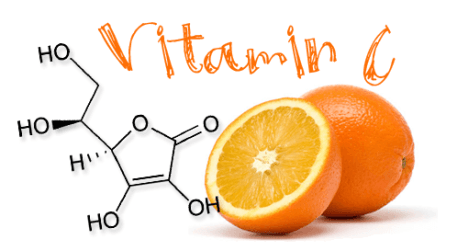
Dr. Frederick R. Klenner, who first cured polio with Vitamin C, created another rule. High doses of C must be administered for success. Will Sidney Crosby or other players get high doses of intravenous Vitamin C for a concussion? It's most unlikely.
History shows that it's hard to change ingrained habits of the medical establishment.
But individuals can get smart. Or as Hippocrates, the Father of Medicine, preached, "always choose the least sensational treatment." Again Vitamin C fits the bill.
Courtesy of:
John H. Keefe III, D.C.
(918) 663-1111

IN THE NEWS: Reduce your lung cancer risk with these 5 tips, other than not smoking How much lung cancer is actually attributable to cigarettes? It turns out, quite a bit: About 85 percent of lung cancer patients are smokers or former smokers, Dr. Mohammad Jahanzeb, a lung cancer expert at Sylvester Comprehensive Cancer Center, told Fox News. To learn the best ways to reduce your risk of non-smoker’s lung cancer, Fox News spoke to Jahanzeb and Dr. Normal Edelman, a senior scientific advisor at the American Lung Association, for their tips on reducing the risk of lung cancer: 1. Stay away from secondhand smoke. Both Jahanzeb and Edelman advised staying away from smokers to limit exposure to dangerous cigarette smoke. 2. Don’t switch to a potentially harmful cigarette substitute.3. Be aware of occupational risks — and take care to avoid them. Be aware if you’re in an occupation that exposes you to certain risk factors for lung cancer, Edeman advised, and make sure to follow all safety protocols. For instance, asbestos can sometimes contribute to lung cancer — and while it’s now banned in the United States, those in construction who are tearing down old buildings may be at risk of some exposure. 4. Get screened early. Those who have smoked for a long time, such as 20 years, should go in for regular CT scans, Jahanzeb said. 5. Practice healthy habits.

WELLNESS: Depression Is Now No. 1 Cause of Illness and Disability Worldwide Depression is now the leading cause of ill health and disability worldwide, affecting an estimated 322 million people, including more than 16 million Americans.. Depression increased by 18 percent in the decade between 2005 and 2015, now costing the global economy at least $1 trillion annually. Suicide rates in the U.S. have also steadily risen since 2000, primarily in more rural areas, a trend blamed on the effects of social isolation, economic pressures, opioid addiction and limited access to mental health care. Addressing your nutrition is perhaps the best place to start if you're feeling depressed. Foods have an immense impact on your brain, and eating whole foods will best support your mental and physical health. Avoiding processed foods, sugar (particularly fructose) and grains is particularly important as it will help normalize your insulin and leptin levels, which is an important contributing factor to depression. Other factors can be lack of Exercise. Sleep, Excess EMF exposure. Studies have also linked excessive exposure to electromagnetic fields (EMFs) to an increased risk of both depression and suicide. Powerlines and high-voltage cables appear to be particularly troublesome. Spending time outdoors has been shown to dramatically improve people's mood and significantly reduce symptoms of depression. And proper handling of stress can be a big factor.

CONDITION OF THE WEEK: Natural healthcare can help you There are many reasons for a shift in healthcare. Some people are concerned about the side effects that drugs have, (2000 deaths per week and 1 million injuries per year), some people have a sense of body ecology and don't want to put any artificial substances within their body. Some people have discovered drugs mainly cover-up symptoms and never get to the root of your problem, and are more concerned with maximizing their health than just making some symptoms disappear. I'm sure you have seen either a popular magazine or news program on TV, the benefits of different natural healthcare techniques. Chiropractic is the world's largest natural healthcare profession and specializes in finding the root cause of health problems and helping restore patients to better health through natural methods. At Keefe clinic these are the principles that we specialize in. We promise you that we will not just cover-up your symptoms and allow the underlying condition time to get worse. Chiropractic care, homeopathic care, individualized diet, acupuncture, nutritional therapy, muscle therapy and exercise, whatever it takes to move your body from disease to health, dysfunction to realizing your genetic potentials. We will customize a program to fit your particular health needs, from low back pain and headaches to digestive problems and PMS. From ear infections in babies to arthritis or heart disease and the geriatric patient, we offer the latest and natural healthcare. Tell your friend about chiropractic.
FUNNY BONE:


Visit our web site: keefeclinic.com&facebook.com/keefeclinic
Courtesy of:
John H. Keefe III, D.C.
(918) 663-1111

IN THE NEWS: The science behind why chocolate and peanut butter make an irresistible match Raise your hand if you've ever wolfed down several mini chocolate peanut butter cups in a drug-like trance. One bite and you're smitten — the chocolate hits your taste buds and your brain's pleasure centers light up like a Christmas tree. You can't stop yourself from eating more and more peanut butter cups to make the feeling last a little longer. Chocolate and peanut butter are powerful partners in crime that can hijack willpower — fast. From Reese's candies to Tagalong Girl Scout cookies to buckeyes, some of the most beloved candies feature the two flavor co-conspirators. Together, chocolate and peanut butter are somehow even more magnificent than they are when eaten solo. All of this made us wonder — why do chocolate and peanut butter taste so dang heavenly when mixed together? Here's what we found out. Here's why you're obsessed with chocolate and peanut butter The pleasing taste of biting into a Reese's Peanut Butter Cup is partially thanks to a phenomenon called "dynamic sensory contrast," Gregory Ziegler, a Penn State University professor of food science who studies chocolate, said in a phone interview. Ziegler explained that our taste buds love when foods have contrasting textures. "The smooth melt of the chocolate and the crunch of the nut pieces" provide a pleasing contrast, Ziegler noted. The sensual sensation sometimes causes us to eat more — so you can thank dynamic sensory contrast the next time you inhale a dozen mini peanut butter cups in one sitting. Dynamic sensory contrast is also known as the "ice cream effect," Ziegler said. "The idea was, why do people still have room for ice cream [after a huge dinner]?" Even when people report they are extremely full, they often manage to make room for ice cream because our taste buds crave that sensation — when cold ice cream changes its texture as it hits the warmth of your mouth, Ziegler noted. Similarly, chocolate also changes texture (by melting) when it's warmed by your mouth, which is why even chocolate without nuts or peanut butter can be irresistible to our taste buds, Ziegler said.

WELLNESS: Taking high dosages of statins raises the risk of developing diabetes in older women by 50% Taking statins can increase the risk of developing diabetes for older women by more than 50 per cent, research shows. Higher dosages mean they are likelier to suffer the potentially fatal condition – in which blood sugar levels get too high. The controversial cholesterol-lowering drugs are used by around 12million Britons, but have been linked with side effects. Now, Australian scientists have carried out one of the first studies of its kind focusing on the effects of statins on more than 8,000 female pensioners. Taking statins can increase the risk of developing diabetes for older women by more than 50 per cent, research shows. Note: Medical practice concerning cholesterol was based on a fraudulent study over 50 years ago. Even though no one has been able to confirm that study after several tries the train has already left the station. It’s very difficult to change medical practice that’s been going on for many years. Even though there have been no successful cholesterol studies statins are still commonly prescribed for a condition that is caused by inflammation. Elevated cholesterol is a nutritional problem and needs to be addressed through diet, nutrition and lifestyle measures. Don’t risk your health taking dangerous and ill prescribed drugs seek solutions for your health problems.

CONDITION OF THE WEEK: Disc problems: chiropractic versus steroid injections. The recent study comparing the effectiveness of chiropractic to a common practice of steroid injections from medical professionals have found chiropractic adjustments superior. Not only do the adjustments produce better outcome but there is significantly less side effects. What the study doesn’t cover is the difference between correcting the problem and suppressing the problem with drugs. When you have a disc problem you have an alignment problem in virtually all cases. Drugs cannot realign the spine. Even if the drug gave you symptomatic improvement the underlying issue is still present and disc damage is still progressing. When you correct the problem with adjustments, as you realign the vertebra you re-stabilize the disc which allows for normal healing. The difference in both approaches would not be fully realized until at least 5 to 10 years. At that point the continued deterioration would become obvious again under the drug therapy whereas the chiropractic approach, by fixing the problem, offers a better long-term outcome.
FUNNY BONES: I wonder what Facebook employees do to waste their time at work?@@ Someone figured out my password. Now I have to rename my dog.@@ Anton, do you think I’m a bad mother? My name is Paul.@@ It’s ok to talk to yourself, it’s even ok to answer yourself.. But when you ask yourself to repeat what you just said- you have a problem!@@ Dear Google: They are only using you to get to me. Sincerely Wikipedia@@ Whatever you do always give 100% ….. Unless you are donating blood 🙂
Visit our web site: keefeclinic.com&facebook.com/keefeclinic
Courtesy of:
John H. Keefe III, D.C.
(918) 663-1111

IN THE NEWS: Superbugs deploy ‘decoy flares’ like fighter jets to avoid being killed by antibiotics Scientists have discovered an astonishing new strategy deployed by superbugs in their evolutionary struggle with antibiotics – decoy “flares” which distract the drugs that would otherwise kill them. About a third of MRSA bacteria, which kill thousands of people across the world, are largely immune to the current antibiotic of last resort. The rise of antibiotic resistance is causing increasing alarm with the prospect of a return to the days when a minor cut in the garden could be fatal and major operations were impossible because of the risk of infection. NOTE: I remember when this was front page news on the Journal of American medicine 30 years ago. Some of the suggestions then was to take prescription rights away from the average medical doctor because they were overprescribing antibiotics even for things like viruses which every 1st year medical student knew was ineffective. Now 30 years later very little change has taken place and the epidemic, that was warned about 30 years ago, is beginning. If you have a urinary tract infection try a natural approach 1st, if you have bronchitis don’t use an antibiotic the same goes with sinus infections 70% of those are yeast related. If you don’t protect yourself then you won’t be protected in a high percentage of the cases. Bacteria cannot develop resistance to natural methods like they do to antibiotics.

WELLNESS: Vega testing is the dramatic way of restoring health within the body. Unlike the use of dangerous pharmaceutical drugs that primarily suppress symptoms we focus on restoring health within the body in a way that dismantles the foundation for symptoms to exist in the 1st place. For instance if you have a headache that can come from multiple causes: hormones, toxicity, blood sugar, misalignments in the neck etc. Which of these do aspirin fix? Over the counter pain pills can damage your stomach, liver, kidneys, eyes etc. Health problems, by the time we see them, usually have a complex causative factors beneath the symptoms. With Vega testing we approach each of those causative factors in the order that the body is ready to handle them. In some cases we might work with different supplements related to different underlying causes for a particular health problem or symptom. Just because the 1st products we work with doesn’t completely resolve your condition doesn’t mean that’s not a necessary process to go through. True healing takes time whereas symptom relief, in some cases, can be fast but then again you really haven’t accomplished much. When the oil light comes on in your car you can reach under the dashboard and clipped the wire to the light and the light will go out immediately. Just because you’ve suppressed a symptom doesn’t mean you have fixed anything yet. When you experience better energy, better sleep, better focus and less symptoms under natural healthcare that’s because your body is healing. Have you had a Vega test today?
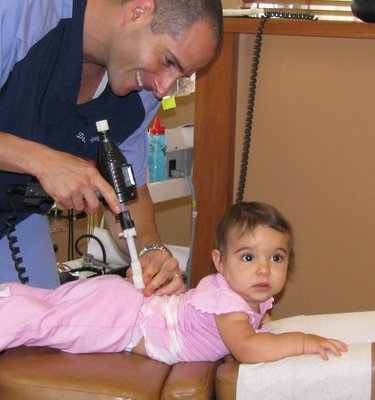
CHIROPRACTIC: Chiropractic Studies and Research 1. Sciatica The European Spine Journal published the findings from a clinical trial last year uncovering how chiropractic adjustments resulted in a 72 percent success rate in treating sciatica and related symptoms compared to the 20 percent success from physical therapy and 50 percent from corticosteroid injections.. 2. Colic and Ear Infections A 2012 study published in Journal of Manipulative Physiological Therapeutics found that chiropractic adjustments greatly reduced colic symptoms. Although very few randomized control trials have been conducted describing the clinical effects of chiropractic care on children, literally scores of case studies have been documented that describe how children suffering from otitis media (ear infections), acid reflux and colic have experienced complete to near complete resolution after just a few visits. 3. Neurological Conditions Exciting research is currently being conducted via upright MRI showing how upper cervical adjustments affect various brain-based conditions. What we have seen so far is quite remarkable. Not only are MRI scans revealing that cerebral spinal fluid and blood flow are markedly increased after a chiropractic adjustment, researchers are observing that cerebellar invagination (when the cerebellum drops down below the skull line) is being reversed and brain plaquing (common in multiple sclerosis patients) is disappearing!
FUNNY BONE: Job interview in a psychiatry: So you’re interested in working with us. What is your experience with mentally disturbed people? -I’ve been on Facebook for 5 years now.- Very good, the job is yours.@@ Some nice Chinese couple gave me a very good camera down by the Washington Monument. I didn’t really understand what they were saying, but it was very nice of them.
Visit our web site: keefeclinic.com-ebook/keefeclinic.com
Courtesy of:
John H. Keefe III, D.C.
(918) 663-1111

IN THE NEWS: Time to Age Gracefully: 6 Tips to Take to Heart Why not try these natural, noninvasive methods instead to make the aging process as smooth and well, natural as possible? It's about adopting lifestyle habits that make you feel good to be alive, no matter what age you are: 1. You are what you eat: And if you eat too much of the wrong stuff, your body will pay for it. 2. Active is awesome: Research links an active life with healthy aging and longevity, for two primary reasons: First, the more activities you involve yourself in (and enjoy), the better you feel. Second, activity in the form of exercise is vital to healthy aging; stay sedentary and your body will break down, create disease and put you exactly where you've spent too much time: lying down. 3. Count some sheep (and get some sleep):Adequate sleep, both quantity and quality, reduces disease risk. 4. Make a few friends (or a whole bunch):Evidence suggests people who maintain healthy relationships and are socially active longer than people who remain isolated with few or no friends. 5. Give your skin a break: From the sun, that is. While a little sun exposure helps produce vitamin D, too much can do tremendous damage, both in the form of skin cancer and general aging of the skin (wrinkling, spotting, dryness, etc.). 6. Stress can be a real killer: We mean it! Chronic stress has been implicated in a wide range of health conditions, and it dramatically impacts your life experience. Who wants to live a long, stressful life?

WELLNESS: Five Things You Can Do To Boost Your Mood Your mood is something that affects many aspects of your health from your heart to your thyroid to your sleep cycle to your menstrual cycle. So, as the daylight hours start to wane this winter season, how can you keep your mood elevated? There are five easy ways to keep your mood elevated this winter season: 1-Stay in touch with your loved ones, When we are surrounded by friends and loved ones, we manage our stressors and mood triggers better. 2-Keep touching your furry friends, Studies suggest that pets bring joy and those with pets feel happier. 3-Light therapy isn't a thing of the past, light therapy during the winter season for seasonal affective disorder HELPS. 4-Keep your kitchen stocked full of vegetables and avoid sugars, if you eat a diet high in antioxidants, minerals and vitamins in the form of vegetables and avoid sugars, your mood will likely be more stable. 5-Keep your body moving throughout the winter season, exercise is always helpful for mood because when you exercise, you release more endorphins and helps to trigger better mood.

CONDITION OF THE WEEK: Shoulder problems can be minor or serious. Symptoms may include pain, swelling, numbness, tingling, weakness, changes in temperature or color, or changes in your range of motion. Shoulder injuries most commonly occur during sports activities, work-related tasks, projects around the home, or falls. Be it a strain or sprain, bursitis, tendinitis, arthritis or subluxation there are many causes for shoulder pain/dysfunction. Chiropractic adjustments of the neck and shoulder, nutritional therapy for the connective tissue and bursa of the shoulder , electrotherapy , pulsed magnetic therapy can all be effective in correcting shoulder problems. Tell someone about chiropractic.
FUNNY BONE: Some people just have a way with words, and other people … oh … not have way.-Steve Martin@@ If people say they just love the smell of books, I always want to pull them aside and ask, To be clear, do you know how reading works?
Visit our web sites: keefeclinic.com&facebook.com/keefeclinic
INNATE INTELLIGENCE

Healing comes from within. The wisdom that made your body can heal your body. Chiropractic science teaches that the body has an inborn ability to heal itself. In chiropractic we call this innate intelligence.

When you cut your finger in most cases all you need to do is clean the cut and the body will do the rest. When you break a bone if it is not severely dislocated the body can pull the bone back together and make it stronger than it was before the break. As a chiropractic physician I rely on your bodies inborn intelligence to produce the results from care. My job is to remove the interference and let innate intelligence to the rest. Yes we have to give innate the proper building blocks through proper diet and nutrition plus we need to stop overloading the body with toxic chemicals and depleted nutrients like refined carbohydrates or junk food.

Exercise, oxygen, clean water, stress reduction and proper rest are all components necessary for good health. Drugs can not give you healthy tissue cells, vitamins can not give you healthy tissue cells without innate intelligence doing its job. That's why the adjustment is so important. The doctor inside needs to have full access to every part of your body in order to maintain good health. Nerve pressure interferes with the innate intelligence's ability to restore health. Who do you know who would benefit from chiropractic care?
Chiropractic releases health from within, not from a pill.
Courtesy of:
John H. Keefe III, D.C.
(918) 663-1111

IN THE NEWS: Vitamin K2 Deficiency Is a Significant Cause of Cardiovascular Disease Warfarin and statins may reduce your absorption of vitamin K2, leading to an increased risk of heart disease, stroke, osteoporosis and cancer. Although necessary for your overall health, vitamin D without vitamin K2 may increase your risk of atherosclerosis, heart disease and stroke. Vitamin K2 is found in fermented foods, fermented cheeses and grass-fed meats and dairy products. New evidence, however, has confirmed that vitamin K2’s role in the body extends far beyond blood clotting to include ensuring healthy skin, promoting brain function, and supporting growth and development.
WELLNESS: Long-term marijuana use linked to changes in brain's reward system People who use marijuana for many years respond differently to natural rewards than people who don't use the drug, according to a new study. "This study shows that marijuana disrupts the natural reward circuitry of the brain, making marijuana highly salient to those who use it heavily," study author Dr. Francesca Filbey, an associate professor of behavioral and brain science at the University of Texas at Dallas, said in a statement. "In essence, these brain alterations could be a marker of transition to problematic use." The researchers also looked at the relationship between certain problems linked to marijuana use, such as family issues, and the people's brain responses to the pictures of marijuana paraphernalia. It turned out that the more problems that people's marijuana use was related to, the more their brains responded to the marijuana cues. "The greater the number of problems they had indicating potential cannabis use disorder, the greater the alterations are in their response to the cues," Filbey told Live Science.
CONDITION OF THE WEEK: HEADACHES be they the blinding headaches of a migraine to the annoying tension headaches studies have shown chiropractic is the best treatment on the planet. Headaches come from multiple sources i.e. subluxations, kidneys, hormones, muscle tension or toxicity. Chiropractic can gently release the tension on the nervous system responsible for most types of headaches. Diet can help balance chemistry like hormones or blood sugar that can trigger some types of headaches as well as lifestyle changes i.e. reducing junk food, drinking more water and detoxification can eliminate the triggers for headaches. Chiropractic first, drugs second and surgery last is the motto of better health.
FUNNY BONES: If an accountant's wife cannot sleep, what does she say? "Darling, could you tell me about your work." @@ Two accountants go to their credit union on their lunch break, when armed robbers burst in. While several of the robbers take the money from the tellers, others line the customers, including the accountants, up against a wall, and proceed to take their wallets, watches, and other valuables. While this is going on accountant number one jams something in accountant number two's hand. Without looking down, accountant number two whispers, "What is this?" to which accountant number one replies, "it's that $50 I owe you."
Visit our web site: keefeclinic.com&facebook.com/keefeclinic