

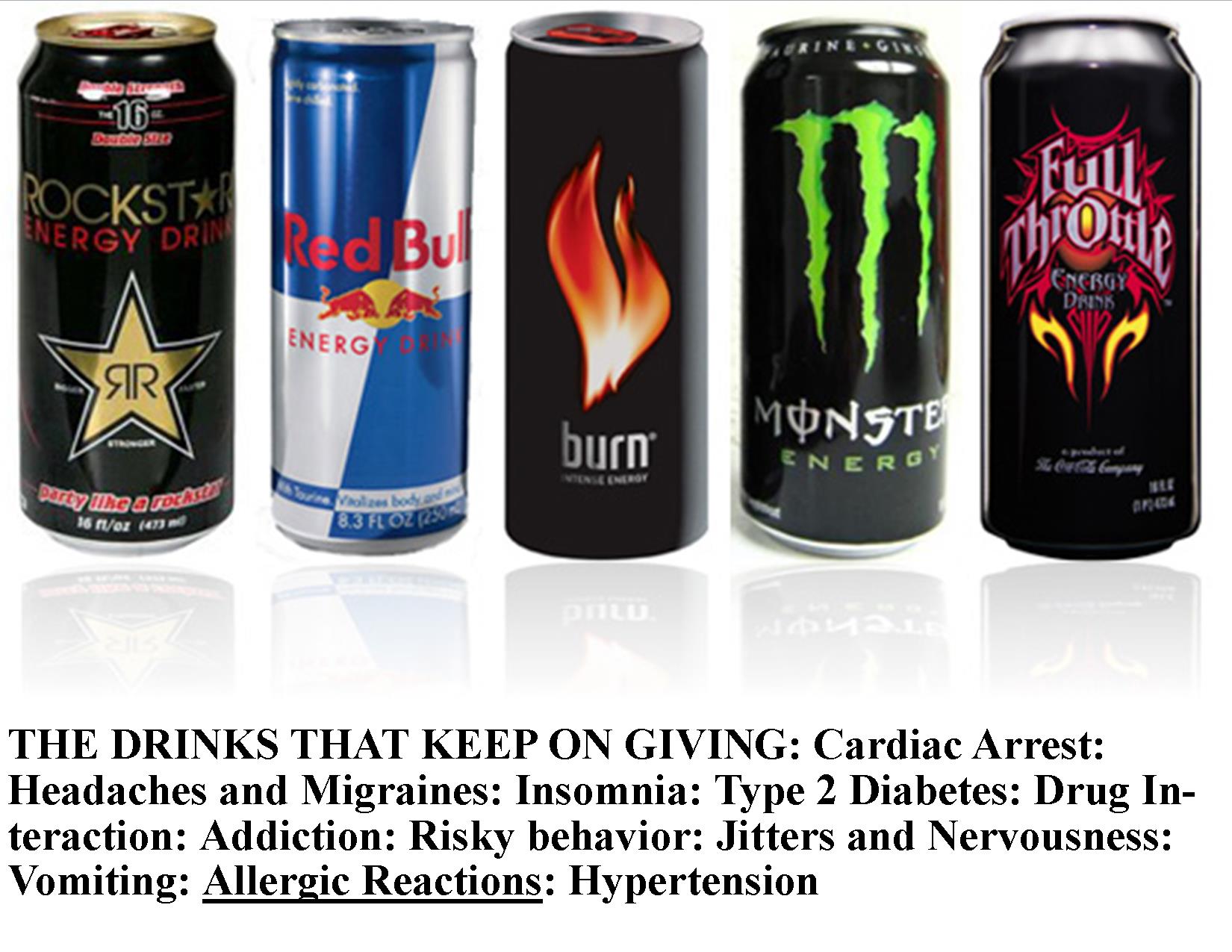
Energy drinks are often marketed as harmless performance boosters, but a recent medical case highlights how excessive consumption can carry serious health risks.
Doctors in the United Kingdom reported that a 50-year-old man suffered a stroke after regularly consuming large amounts of energy drinks, according to a case study published in BMJ Case Reports by clinicians at Nottingham University Hospitals.¹ The man had been generally healthy prior to the event.
What Happened
The patient arrived at the hospital with left-sided weakness, numbness, and poor coordination (ataxia). Brain imaging confirmed an ischemic thalamic stroke, meaning blood flow to a deep brain structure was interrupted.¹
On admission, his blood pressure was markedly elevated. Although it was temporarily controlled during hospitalization, it rose again after discharge—even while he was taking multiple antihypertensive medications.¹
The Energy Drink Connection
During further evaluation, the patient disclosed that he had been consuming eight energy drinks per day, each containing approximately 160 mg of caffeine. That amounts to about 1,280 mg of caffeine daily, far exceeding the commonly cited safe upper limit of 400 mg per day for adults.²
After discontinuing caffeine and energy drink consumption, the patient’s blood pressure normalized, and physicians were able to stop his blood-pressure medications.¹
Why Caffeine Matters
Caffeine is a central nervous system stimulant known to increase blood pressure, heart rate, and vascular tone, especially at high doses. Acute and chronic excessive caffeine intake has been associated with hypertension, arrhythmias, and increased stroke risk in susceptible individuals.³⁻⁵
Energy drinks pose a particular concern because they:
- Deliver large caffeine doses quickly
- Often contain additional stimulants (e.g., taurine, guarana)
- Are frequently consumed multiple times per day
The case authors emphasized that caffeine intake is often not routinely documented during hospital admissions, potentially delaying diagnosis of stimulant-related cardiovascular effects.¹
Expert Perspective
Commenting on the case, medical experts noted that very high caffeine intake can substantially elevate blood pressure, which is a well-established risk factor for ischemic stroke.⁴
Sustained hypertension places stress on cerebral blood vessels and increases the likelihood of vascular injury, particularly in middle-aged and older adults.
Key Takeaways
- Energy drinks are not risk-free, especially in large quantities.
- Chronic high caffeine intake can significantly raise blood pressure.
- Hypertension is a major risk factor for stroke and cardiovascular disease.
- Energy drink consumption should be specifically assessed in patients with unexplained high blood pressure.
- Reducing or eliminating excessive caffeine intake can rapidly improve blood pressure in some individuals.
A Word of Caution
This case does not suggest that occasional energy drink use will cause a stroke. However, it clearly demonstrates that habitual, high-dose consumption can have serious consequences, even in individuals without known cardiovascular disease.
Monitoring caffeine intake, reading labels carefully, and staying within established safety limits are simple steps that may significantly reduce health risks.
References
- BMJ Case Reports
Nottingham University Hospitals NHS Trust. Ischemic stroke associated with excessive energy drink consumption. BMJ Case Rep. 2025. - U.S. Food & Drug Administration (FDA)
Spilling the Beans: How Much Caffeine Is Too Much?
https://www.fda.gov/food/food-additives-petitions/spilling-beans-how-much-caffeine-too-much - Nawrot P, et al. Effects of caffeine on human health. Food Additives & Contaminants. 2003;20(1):1–30.
- Mesas AE, et al. Coffee consumption and blood pressure. American Journal of Clinical Nutrition. 2011;94(4):1113–1126.
- Higgins JP, et al. Energy beverages: content and safety. Mayo Clinic Proceedings. 2010;85(11):1033–1041.