

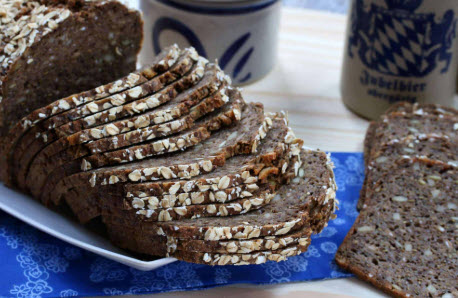
For years, people with digestive trouble have been told to avoid bread altogether. The common belief is that bread slows digestion, worsens bloating, and contributes to constipation.
New research suggests that belief is only partly true.
According to recently published dietary guidelines from King’s College London, one type of bread stands out as an exception: rye bread.
What the Research Found
In what researchers described as the first evidence-based dietary guidelines for adults with chronic constipation, investigators reviewed data from multiple clinical trials examining diet and bowel function.
Surprisingly, the foods with the strongest evidence for improving constipation were:
- Kiwi fruit
- Mineral water
- Rye bread
In studies comparing rye bread to white bread, only rye bread improved stool frequency and consistency. White bread either had no effect or worsened constipation.
Dr. Roshini Raj, a New York–based gastroenterologist, explained why:
“Rye bread contains both soluble and insoluble fiber. This adds bulk to stool and draws water into the intestine, which improves motility.”
White bread, by contrast, is made from refined flour that has had fiber removed — a known contributor to sluggish bowels.
Why Rye Works Differently Than Other Breads
Rye is structurally different from wheat. It contains:
- Higher total fiber content
- A mix of soluble fiber (feeds gut bacteria) and insoluble fiber (adds stool bulk)
- A lower glycemic index than most wheat breads
Rye also provides minerals such as magnesium, zinc, iron, and B vitamins, which support nerve signaling, muscle contraction, and energy metabolism — all relevant to healthy digestion.
According to naturopathic doctor Debra Muth:
“Rye stabilizes blood sugar, feeds the microbiome, and supports motility instead of shutting it down.”
Important Caveat: Not Everyone Tolerates Grains Well
While rye bread can be helpful, it is not appropriate for everyone.
Certain body types and metabolic patterns — including individuals with blood sugar instability, insulin resistance, adrenal stress, or thyroid-dominant metabolism — often do poorly with high carbohydrate intake, even from whole grains.
For these individuals:
- Grains may worsen bloating or fatigue
- Blood sugar swings can slow gut motility
- Grain fiber may irritate rather than help digestion
In these cases, constipation often responds better to vegetables, healthy fats, hydration, and mineral balance, rather than added grain.
The Key Is Moderation and Individual Fit
For people who tolerate carbohydrates reasonably well, small amounts of whole-grain rye bread can support digestion — especially when paired with:
- Adequate water intake
- Protein and healthy fats
- A diet rich in vegetables
For others, especially those who feel sluggish, sleepy, or bloated after eating bread, grain reduction or elimination may be necessary, even if rye is technically “healthier.”
How to Choose the Right Rye Bread
If you decide to try rye bread:
- Look for bread made primarily with rye flour, not wheat dyed brown
- Introduce it slowly to avoid bloating
- Pay attention to energy levels, digestion, and stool consistency
As Dr. Raj cautioned, fiber increases should always be gradual, and hydration is essential.
Bottom Line
Rye bread is one of the few breads shown in clinical research to improve constipation — but it is not a universal solution.
Digestive health depends on individual physiology, not one-size-fits-all advice. For some, rye bread can help “keep things moving.” For others, limiting grains altogether may be the better path.
Listening to your body — and adjusting diet accordingly — matters more than following dietary trends.
References
- King’s College London. Evidence-based dietary guidelines for chronic constipation (2025)
- Dimidi E. et al. Clinical Nutrition Reviews
- Raj R., MD. Gastroenterology commentary, Fox News Digital
- Muth D., ND. Functional nutrition commentary
- Slavin J. Dietary fiber and bowel function. Nutrition (2013)