

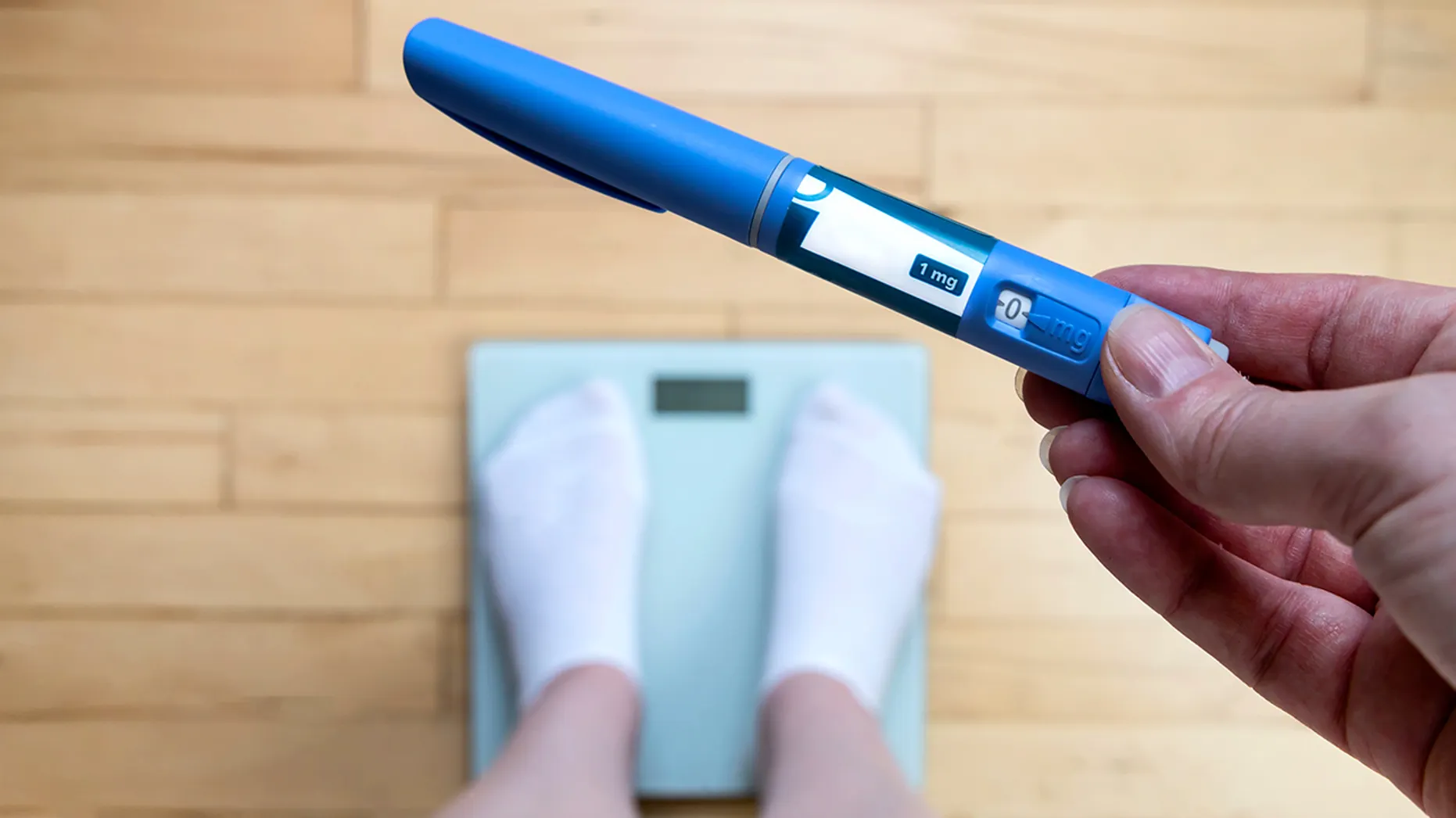
A new large-scale analysis published in The BMJ confirms what many clinicians have quietly observed for years: when GLP-1 weight-loss drugs are stopped, the weight comes back — and often faster than expected.
Researchers from the University of Oxford reviewed 37 studies involving more than 9,000 patients. On average, participants regained nearly one pound per month after discontinuing GLP-1 medications. At that pace, most returned to their pre-treatment weight — along with worsened cholesterol, blood pressure, and diabetes risk markers — in under two years.
Even more concerning, the rebound occurred nearly four times faster than weight regain seen after stopping diet or exercise programs.
These findings raise an uncomfortable but necessary question:
Are GLP-1 drugs treating obesity — or temporarily suppressing it?
The Core Problem: Gimmicks Don’t Rebuild Metabolism
GLP-1 medications work by:
- suppressing appetite,
- slowing gastric emptying,
- altering satiety signaling in the brain.
What they do not do is repair the underlying metabolic dysfunction that caused weight gain in the first place.
When appetite suppression is removed, the body predictably:
- increases hunger hormones,
- lowers resting metabolic rate,
- preferentially restores fat mass.
This is not a failure of willpower. It is basic physiology.
History tells us that when weight loss depends primarily on an external lever — drugs, extreme diets, meal replacements — the odds that the weight stays off three years later are slim.
Chronic Drug Use Always Carries Long-Term Risk
GLP-1 drugs are a relatively new class of medications. While short-term benefits are clear, long-term systemic effects are not yet fully understood.
Already documented concerns include:
- gastrointestinal distress,
- dehydration,
- muscle loss,
- fatigue,
- hair thinning,
- high discontinuation rates (up to 65% within one year for non-diabetics).
Medicine has learned this lesson repeatedly: chronic pharmacologic manipulation of complex systems often reveals unintended consequences years later, not months.
The absence of long-term harm data is not proof of safety — it is simply the absence of time.
What the Study Quietly Admits
Even the researchers themselves conclude:
“These drugs alone may not be sufficient for long-term weight control.”
That is a critical admission.
Medications may have a role as temporary adjuncts, but when they replace foundational strategies — nutrition, metabolic repair, muscle preservation, nervous system regulation — they become crutches rather than tools.
The Sustainable Path Forward
Long-term weight regulation depends on restoring:
- insulin sensitivity,
- lean muscle mass,
- hormonal balance,
- nervous system signaling,
- nutrient sufficiency.
No injection can substitute for those.
GLP-1 drugs may help some patients create an initial window of opportunity — but if that window is not used to rebuild metabolic health, the biology will reclaim the weight.
That is not opinion.
That is what the data now confirms.
Bottom Line
When weight loss is driven primarily by a gimmick, the body waits patiently.
When the gimmick is removed, the weight returns — often with interest.
The future of effective weight management is not found in lifelong appetite suppression, but in fixing the systems that govern hunger, energy use, and repair.
And those systems respond best to biology, not shortcuts.

Access to high-quality nutritional products is important for maintaining your health. To order professional-line nutritional products—including supplements, cosmetics, toothpaste, and more—you can gain access to the same sources we use for some of our products. Simply click the link, open an account, and browse several thousand products from the comfort of your own home.
To order click this link: https://us.fullscript.com/welcome/jkeefe-dc