

Key Points
- Scratching gives short-term relief but usually makes swelling, redness, and itching worse.
- Research shows scratching can activate pain-sensing nerves, which release a signaling molecule called substance P.
- Substance P can further activate mast cells, which release inflammatory chemicals such as histamine.
- This creates the classic itch–scratch cycle: itch → scratch → more inflammation → more itch.
- Scratching may have had an evolutionary benefit by helping defend against some skin bacteria, but with mosquito bites, eczema, poison ivy, and rashes, the damage usually outweighs the benefit.
- The better goal is to calm the skin, reduce histamine and inflammation, and protect the skin barrier.
What the Research Found
Researchers at the University of Pittsburgh studied allergic skin inflammation in mice and found that scratching made the skin more inflamed. Scratching activated pain-sensing nerves, also called nociceptors, which released a signaling molecule called substance P. Substance P then activated mast cells through an additional pathway, worsening inflammation. The study was published in Science and found that scratching-induced inflammation involved nociceptors, substance P, and mast-cell activation.
Mast cells are important immune cells. They help defend the body, but they also release histamine and other inflammatory chemicals involved in itching, swelling, redness, and allergic reactions. The same research also found that scratching reduced Staphylococcus aureus on the skin, suggesting a possible protective benefit in some situations. However, the researchers cautioned that chronic scratching probably causes more harm than benefit because it damages the skin and increases inflammation.
Why a Mosquito Bite Itches
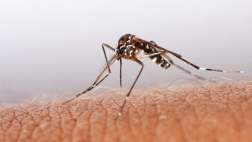
When a mosquito bites, it injects saliva into the skin. Your immune system reacts to proteins in that saliva. Mast cells release histamine and other inflammatory chemicals. That produces the familiar bump, redness, swelling, and itch.
When you scratch, you may briefly override the itch with a mild pain signal. That is why scratching can feel satisfying for a few seconds. But the skin then becomes more irritated, mast cells become more active, and the bite can swell more.
In simple terms:
- Mosquito saliva irritates the immune system.
- Histamine makes the bite itch.
- Scratching injures the skin.
- Injured skin releases more inflammatory signals.
- The bite gets itchier and lasts longer.
That is the itch–scratch cycle.
What to Do Instead of Scratching
For a fresh mosquito bite, try a cold compress for 5–10 minutes. Cold can calm nerve firing and reduce swelling.
Aloe vera, calendula, witch hazel, or a plain fragrance-free moisturizer may help soothe the area. Calamine lotion or low-strength hydrocortisone can also help many people. Oral antihistamines may be useful when itching is more widespread or interfering with sleep.
Keep fingernails short during mosquito season, especially for children. If a child scratches at night, covering the bite with a small bandage can help break the cycle and protect the skin.
Watch for signs of infection, including increasing redness, warmth, pus, red streaking, fever, or worsening pain. Those are reasons to seek medical attention.
Nutrients and Foods That May Support Skin Calming
These do not replace bite care, but they may support a healthier inflammatory response and skin repair:
- Vitamin C: citrus, kiwi, bell peppers, strawberries
- Quercetin: onions, apples, capers, parsley
- Omega-3 fats: salmon, sardines, flax, chia, walnuts
- Zinc: pumpkin seeds, beef, seafood, lentils
- Vitamin A foods: liver, eggs, butter, orange and green vegetables
- Protein: needed for skin repair
- Hydration: helps skin barrier function
You might not need all of these. Dr. Keefe can help narrow down what you actually need with an exam.
For supplement ordering through Fullscript:
https://us.fullscript.com/welcome/keefeclinic/signup
Clinic Note
If mosquito bites, hives, eczema, poison ivy reactions, or chronic itching are unusually intense, the issue may involve more than the skin. Histamine response, mast-cell activity, food sensitivities, liver burden, gut health, and stress chemistry can all affect how strongly the body reacts.
Keefe Clinic
51st & Memorial, Fontana Center
Tulsa, Oklahoma
Phone scheduling only
Email: docjohn@keefeclinic.com
References
- Liu AW, et al. “Scratching promotes allergic inflammation and host defense via neurogenic mast cell activation.” Science. 2025.
- National Institutes of Health. “Scratching and allergic skin inflammation.” NIH Research Matters. February 25, 2025.
- University of Pittsburgh / UPMC. “Why you shouldn’t scratch an itchy rash: New study explains.” January 30, 2025.