

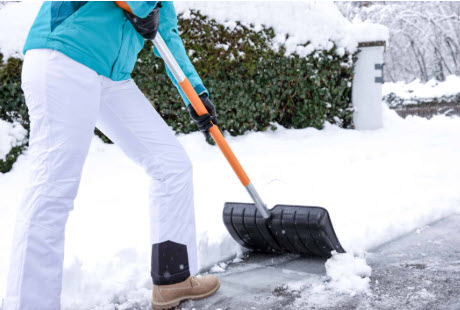
As winter storms sweep across the country, cardiologists are warning that snow shoveling may pose a serious — and often underestimated — risk to heart health, especially for middle-aged and older adults.
Research shows that heavy snow removal can place sudden and extreme strain on the cardiovascular system, sometimes comparable to a medical stress test performed in a hospital setting.
Why Snow Shoveling Is Risky for the Heart
A 2025 Mayo Clinic review found that just 10 minutes of heavy snow shoveling can raise heart rate to nearly 97% of maximum capacity in some individuals. Cold exposure further compounds the risk by:
- Constricting blood vessels
- Raising blood pressure
- Reducing coronary blood flow
Together, these factors can sharply increase the risk of heart attack, arrhythmia, or stroke, particularly in people who are not regularly active.
“It’s almost like putting yourself through an unsupervised maximal cardiac stress test,” said Dr. Navjot Kaur Sobti, an interventional cardiologist at Northwell Health.
Is There an Age Cutoff?
There is no official age at which a person is “too old” to shovel snow. However, cardiologists urge extra caution after age 45, especially for:
- Men over 65
- People with high blood pressure, diabetes, high cholesterol, or obesity
- Those with a history of heart attack, stroke, bypass surgery, or angioplasty
- Sedentary individuals who rarely exercise
Dr. John Osborne, a cardiologist and American Heart Association volunteer, notes that many winter cardiac emergencies occur in people who are usually inactive but suddenly attempt heavy exertion.
Cold Weather Adds an Extra Layer of Risk
Cold temperatures alone increase cardiovascular strain. A large study published in the Annals of Internal Medicine (2024) found that cold exposure causes nearly twice as many cardiovascular deaths as heat exposure, with adults over 65 at the highest risk.
Warning Signs Not to Ignore
Stop immediately and seek medical help if any of the following occur while shoveling:
- Chest pain or pressure
- Shortness of breath
- Dizziness or lightheadedness
- Palpitations or irregular heartbeat
- Pain radiating to the arm, jaw, or back
Safer Snow-Removal Tips
If shoveling cannot be avoided, cardiologists recommend:
- Shoveling smaller amounts more frequently
- Using a pushing or sweeping motion instead of lifting
- Taking frequent breaks
- Avoiding breath-holding (Valsalva maneuver)
- Wearing warm layers, gloves, and face covering
- Avoiding shoveling in strong winds or extreme cold
Snow blowers reduce strain but still elevate heart rate, according to the American Heart Association.
Natural and Supportive Heart-Health Strategies (Complementary Care)
These approaches may help reduce baseline cardiovascular stress during winter months:
1. Hydration and Electrolyte Balance
Cold weather reduces thirst, but dehydration increases blood viscosity and cardiac workload. Adequate fluid intake supports circulation and blood pressure stability.
2. Magnesium Support
Magnesium plays a role in:
- Blood vessel relaxation
- Heart rhythm stability
- Blood pressure regulation
Low magnesium levels are associated with hypertension and arrhythmias. Dietary sources include leafy greens, nuts, seeds, and legumes. Supplementation should be discussed with a healthcare provider.
3. Omega-3 Fatty Acids
Omega-3s support:
- Anti-inflammatory pathways
- Improved endothelial function
- Reduced risk of arrhythmias
Found in fatty fish (salmon, sardines) and fish oil supplements.
4. Gentle Conditioning Before Winter
Light, regular activity (walking, resistance bands, mobility exercises) before winter storms improves cardiovascular resilience and reduces shock from sudden exertion.
5. Breathing Control
Slow nasal breathing helps prevent sudden blood-pressure spikes and reduces strain during physical effort.
The Bottom Line
Snow shoveling is not a harmless winter chore — it is a high-intensity cardiovascular event for many people. Age, inactivity, cold exposure, and underlying heart risk factors all combine to increase danger.
If you are unsure about your heart health, delegating snow removal or using mechanical assistance may be the safest choice.
Protecting your heart this winter means respecting its limits — not testing them unexpectedly.
References
- Mayo Clinic Proceedings (2025). Cardiovascular responses to snow shoveling and cold exposure.
- Annals of Internal Medicine (2024). Cold and heat exposure and cardiovascular mortality.
- American Heart Association. Snow shoveling and heart attack risk.
- Sobti NK et al. Northwell Health cardiology interviews (2025).
- Osborne J, MD. American Heart Association commentary (2025).