

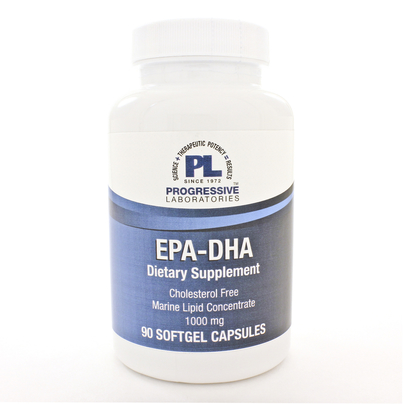
A recent global analysis published in Nutrition Research Reviews found that approximately 76% of people worldwide are deficient in omega-3 fatty acids, particularly EPA and DHA—two fats essential for cardiovascular health. This widespread deficiency may help explain why heart disease remains the leading cause of death, despite decades of focus on cholesterol levels alone.
Omega-3 fatty acids play a critical role in regulating inflammation, stabilizing heart rhythms, lowering triglycerides, supporting blood vessel health, and protecting brain and eye function. When omega-3 intake is low, inflammation tends to rise—setting the stage for arterial damage, plaque instability, and increased cardiovascular risk.
Inflammation: the real driver of heart disease
For many years, cholesterol was framed as the primary cause of heart disease. We now know the picture is more complex. Cholesterol itself is not inherently harmful—it is a repair molecule the body uses to patch damaged blood vessels. The real problem is why those vessels are damaged in the first place.
That culprit is chronic inflammation.
Inflammation injures the arterial lining, making it vulnerable to plaque formation. Cholesterol then accumulates at those injury sites, not as the cause, but as part of the body’s attempted repair process. Without addressing inflammation, simply lowering cholesterol does not resolve the underlying problem.
Omega-3 fatty acids are among the most powerful dietary anti-inflammatory agents known. Adequate levels help calm inflammatory signaling, improve endothelial function, and reduce the risk of clot formation and arrhythmias.
Food sources and supplementation
The richest natural sources of EPA and DHA are oily fish, including salmon, sardines, mackerel, herring, anchovies, and trout. Many people benefit from eating these fish several times per week. For those who do not consume fish regularly, high-quality omega-3 supplements can be helpful, ideally guided by lab testing such as the omega-3 index.
An omega-3 index around 8% is associated with lower cardiovascular risk, while levels below 4% are considered low.
Other anti-inflammatory foods that support heart health
Omega-3s work best as part of a broader anti-inflammatory diet. Helpful foods include:
- Extra virgin olive oil
- Leafy green vegetables (spinach, kale, arugula)
- Berries (blueberries, strawberries, raspberries)
- Turmeric and ginger
- Nuts and seeds (especially walnuts and flax)
- Magnesium-rich foods (pumpkin seeds, almonds, legumes)
The takeaway
Heart disease is not simply a cholesterol problem—it is primarily an inflammatory problem. Omega-3 deficiency is widespread and directly contributes to that inflammatory burden. Correcting it, alongside an anti-inflammatory diet and lifestyle, addresses the root cause rather than chasing numbers on a lab report.
Reducing inflammation restores balance. And balance is where true heart health begins.