

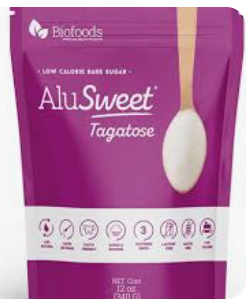
Scientists say a rare sugar called tagatose could offer a promising alternative to traditional sugar, especially for baking, while delivering fewer calories and a much smaller impact on blood sugar.
Researchers at Tufts University recently reported a breakthrough method for producing tagatose more efficiently, according to findings published in Cell Reports Physical Science. The advance could make the sweetener more accessible for use in everyday foods.
What Is Tagatose?
Tagatose is a naturally occurring sugar found in small amounts in fruits and dairy products. It tastes remarkably similar to table sugar but behaves very differently in the body.
According to the research:
- Tagatose provides about 92% of the sweetness of sucrose
- It contains roughly 60% fewer calories
- It has minimal effects on blood glucose and insulin levels
These characteristics place tagatose closer to low-glycemic sweeteners than to regular sugar.
Why It Matters for Baking
Many sugar substitutes fail in baking because they don’t caramelize, brown, or contribute proper texture. Tagatose stands out because it browns when heated, producing flavor and texture similar to real sugar — a rare quality among low-calorie sweeteners.
This makes it potentially useful for cookies, cakes, breads, and other baked goods where sugar plays both a chemical and structural role.
The Production Breakthrough
Historically, tagatose has been expensive and difficult to produce at scale. The Tufts team engineered Escherichia coli bacteria to act as microscopic factories, converting abundant glucose into tagatose using a newly identified enzyme.
Earlier methods relied on galactose, which is less available and more costly. The new glucose-based approach could significantly reduce production barriers, though researchers caution that further optimization is still needed before large-scale manufacturing becomes practical.
Importantly, scientists note that the final tagatose product would be chemically identical to naturally derived tagatose and would not contain the bacteria used in production.
Blood Sugar, Digestion, and Safety
Clinical studies suggest tagatose raises blood sugar and insulin levels far less than sucrose, making it a potential option for people seeking to reduce sugar intake, including those with diabetes.
The U.S. Food and Drug Administration has classified tagatose as “generally recognized as safe” (GRAS).
Like other low-calorie sugars, tagatose is not fully absorbed in the small intestine. At higher doses, this can lead to mild digestive discomfort in some individuals, particularly those sensitive to poorly absorbed carbohydrates.
How It Compares to Stevia
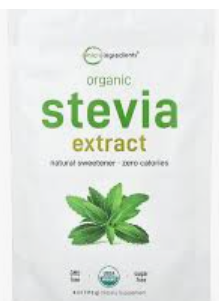
Stevia, another popular sugar alternative, offers zero calories and does not affect blood sugar, but it often has a bitter or metallic aftertaste and does not behave like sugar in baking. Stevia also lacks bulking properties and browning capability, requiring additional ingredients to compensate in recipes.
Tagatose, by contrast, provides bulk, browning, and a sugar-like mouthfeel, making it functionally closer to sucrose — though not calorie-free like stevia.
The Bigger Picture
Nutrition experts emphasize that while sugar alternatives like tagatose or stevia may help reduce calorie intake, they are not a standalone solution.
Overall dietary quality, portion control, and moderation of total sweetness remain central to long-term metabolic health.
Bottom Line
Tagatose may represent a middle ground between traditional sugar and artificial sweeteners — offering familiar taste and baking performance with fewer calories and a gentler impact on blood sugar. While more research and production scaling are needed, scientists say the rare sugar holds real promise as a next-generation sweetener.