

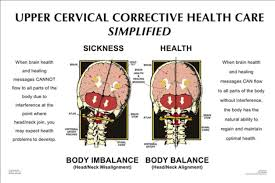
The upper cervical spine — specifically the top three vertebrae in the neck (C1/Atlas, C2/Axis, and C3) — occupies one of the most neurologically significant regions of the body. This area supports the skull, protects the brainstem, influences posture, and plays a key role in autonomic nervous system regulation.
When subluxations (misalignments, fixations, or abnormal motion patterns) persist in this region, their effects can extend well beyond neck pain, influencing blood pressure regulation, balance, stress response, and long-term spinal mechanics.
Neurological and Autonomic Effects (Including Blood Pressure)
The brainstem and upper spinal cord — closely associated with C1–C3 — are involved in regulating heart rate, vascular tone, respiration, and autonomic balance (sympathetic vs. parasympathetic activity). Chronic dysfunction in this region may be associated with:
- Headaches (tension, cervicogenic, migraine patterns)
- Dizziness or vertigo
- Balance or coordination problems
- Brain fog, poor concentration, or mental fatigue
- Sleep disturbances
- Anxiety or heightened stress response
- Tinnitus or ear fullness
- Visual strain or blurred vision
- Facial pain or trigeminal irritation
- Dysautonomia-type symptoms (palpitations, temperature sensitivity, digestive irregularities)
Blood pressure considerations:
Upper cervical subluxations may contribute to abnormal blood pressure regulation, particularly when autonomic imbalance is present. This can manifest as:
- Labile or fluctuating blood pressure
- Elevated blood pressure driven by chronic sympathetic dominance
- Difficulty maintaining normal blood pressure despite medication
- Orthostatic symptoms (lightheadedness on standing)
These patterns are not primarily vascular disease, but neurological regulation issues, often overlooked when care focuses only on the heart or blood vessels.
Musculoskeletal and Postural Consequences
Upper cervical dysfunction rarely occurs in isolation. Common compensatory patterns include:
- Chronic neck pain or stiffness
- Reduced cervical range of motion
- Forward head posture
- Elevated or uneven shoulders
- Tight upper trapezius and neck musculature
- TMJ dysfunction or jaw deviation
- Teeth grinding (bruxism)
- Upper thoracic and mid-back tension
- Arm or hand tingling from secondary nerve tension
Because the head weighs approximately 10–12 pounds, even small misalignments at the top of the neck significantly increase mechanical stress throughout the spine.
Mechanical Degeneration and Structural Changes
Over time, abnormal motion and fixation can accelerate degenerative changes, including:
- Facet joint arthropathy
- Cervical arthritis
- Bone spur (osteophyte) formation
- Disc thinning or dehydration (commonly at C2–C3 or C3–C4)
- Loss or reversal of the normal cervical curve
- Ligament strain or instability
- Early cervical spondylosis
- Abnormal stress loading on adjacent spinal segments
These changes often develop silently, long before pain becomes noticeable.
Vascular and Cranial Considerations
Due to the anatomical relationship between the upper cervical spine and vertebral arteries, chronic dysfunction may be associated with:
- Lightheadedness during head rotation or extension
- Cervical-related headaches
- Sensitivity to specific neck positions
This refers to functional stress patterns, not acute vascular emergencies, but they warrant careful assessment.
ENT and Craniofacial Associations
Upper cervical subluxations have also been associated with:
- Recurrent ear issues
- Sinus pressure or congestion
- Swallowing discomfort
- Voice strain
- Chronic throat or facial tension
- Subtle facial asymmetry patterns
Pediatric and Developmental Considerations
When upper cervical dysfunction is present early in life, it may be associated with:
- Head tilt or torticollis
- Recurrent ear infections
- Postural asymmetry
- Balance or coordination challenges
- Sleep disturbances
- Behavioral or attention difficulties related to autonomic imbalance
A Clinical Perspective
Not everyone with upper cervical subluxations will experience all of these issues. Outcomes depend on severity, duration, individual physiology, and the body’s capacity to compensate. However, neurological stress and mechanical degeneration often progress long before symptoms demand attention.
Proper evaluation focuses on alignment, motion, neurological influence, autonomic balance, and long-term structural integrity, not merely symptom suppression. When indicated, precise corrective care may help restore balance, reduce stress on the nervous system, and support healthier regulation — including blood pressure control.

Access to high-quality nutritional products is important for maintaining your health. To order professional-line nutritional products—including supplements, cosmetics, toothpaste, and more—you can gain access to the same sources we use for some of our products. Simply click the link, open an account, and browse several thousand products from the comfort of your own home.
To order click this link: https://us.fullscript.com/welcome/jkeefe-dc
Contact Information
Keefe Clinic
5016 S. 79th E. Avenue
Phone: 918-663-1111
Fax: 918-663-2129
Email: docjohn@keefeclinic.com